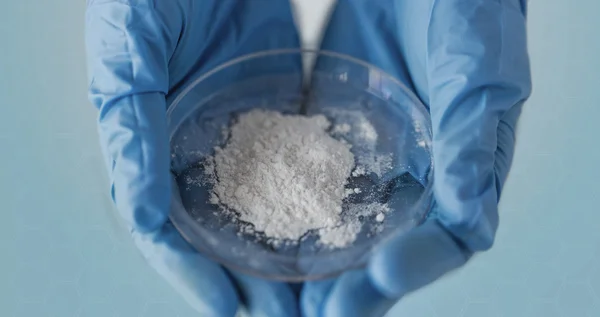
Description
🌾 2,4-Dichlorophenoxyacetic Acid (2,4-D) — the workhorse synthetic auxin for callus induction and somatic embryogenesis. More potent and persistent than IAA or NAA for dedifferentiation.
| 🧪 CAS | 94-75-7 | ⚖️ MW | 221.04 g/mol |
| 🔬 Grade | TC / Research | 🌡️ Storage | RT, dark, dry; stock 4 °C |
⚗️ Why 2,4-D is so effective for callus
2,4-D is resistant to IAA oxidase and moves poorly through plant vasculature — so it accumulates at high local concentrations in explant tissue, driving cell dedifferentiation and proliferative callus. This same persistence is why 2,4-D must be removed before embryo development or organogenesis can occur.
🌾 Working concentrations
| Use | Concentration | Notes |
|---|---|---|
| Callus induction (most species) | 0.5–5 mg/L | With or without low cytokinin |
| Somatic embryogenesis — induction | 1–10 mg/L | Cereal immature embryos: 2–5 mg/L |
| Cereal SE (wheat, maize, rice) | 2–4 mg/L | N6 or MS base |
| Embryo development (remove 2,4-D) | Transfer to 2,4-D-free medium | Essential step |
| Protoplast culture (callus phase) | 0.5–2 mg/L | With kinetin/BAP |
🧪 Stock prep
Dissolve in a few drops of 1M NaOH or 70% ethanol. Prepare 1 mg/mL stock, filter-sterilise, 4 °C up to 6 months.
⚠️ 2,4-D at high doses is a herbicide — toxic to most plants. In TC it works because concentrations are controlled. Always confirm your concentration is in the µg/mL range, not mg/mL.
Reviews
There are no reviews yet.