
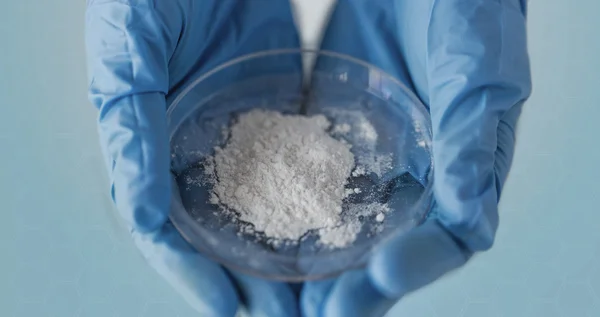
Description
☠️ Mercuric Chloride (HgCl₂) — a highly toxic, highly effective surface sterilisation agent. Used where NaOCl fails — heavily contaminated field tissue, tropical species, or seeds with persistent surface contamination.
| 🧪 CAS | 7487-94-7 | ⚖️ MW | 271.52 g/mol |
| 🔬 Grade | TC / Laboratory | 🌡️ Storage | Locked toxic cabinet; PCB-equivalent disposal |
☠️ EXTREME TOXICITY. HgCl₂ is acutely lethal (LD₅₀ rat oral: 1 mg/kg), a cumulative neurotoxin, and a heavy metal environmental contaminant. Handle only with: double nitrile gloves, lab coat, splash goggles, under a fume hood. Never dispose of HgCl₂ solution down the drain — collect all waste and dispose through a licensed hazardous waste contractor. This chemical is banned in the EU for most lab uses — verify regulations in your jurisdiction.
💧 When and how to use
| Use | Concentration | Notes |
|---|---|---|
| Tropical species surface sterilisation | 0.05–0.2% HgCl₂ | 5–15 min, then 5× sterile water rinse |
| Seeds with persistent contamination | 0.1–0.5% HgCl₂ | 10–15 min |
| Orchid seeds (alternative) | 0.01–0.05% HgCl₂ | 3–5 min only — very sensitive |
| Woody tissue from field | 0.1–0.2% HgCl₂ after NaOCl fail | Last resort |
💡 HgCl₂ works where NaOCl fails because mercury ions denature microbial enzyme systems that NaOCl cannot reach through thick biofilms or seed coats. But the toxicity risk is real — try 2× NaOCl protocol or PPM first.
Reviews
There are no reviews yet.