Description
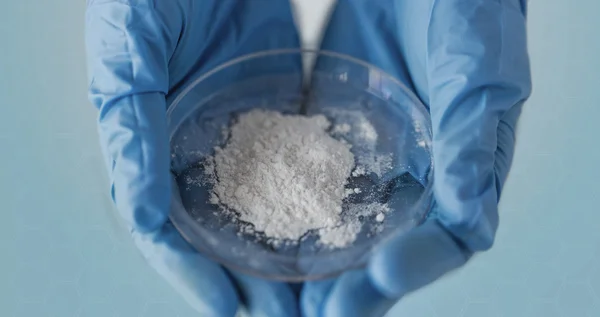
🧬 Kanamycin Sulphate — the primary selection antibiotic for NPTII-marker plant transformations. Kills untransformed cells; transformed cells expressing nptII survive. The backbone of Agrobacterium-based plant transformation selection.
| 🧪 CAS | 25389-94-0 | ⚖️ MW | 582.58 g/mol |
| 🔬 Grade | TC / Microbiological | 🌡️ Storage | −20 °C; stock solutions: −20 °C |
🧬 How kanamycin selection works
Kanamycin binds the 30S ribosomal subunit, causing mRNA misreading and production of non-functional proteins — lethal to bacteria and non-transformed plant cells. The nptII gene encodes neomycin phosphotransferase II, which phosphorylates and inactivates kanamycin (and related aminoglycosides) in transformed cells. This is the most common plant transformation selection system.
🧫 Working concentrations
| Use | Concentration | Notes |
|---|---|---|
| Agrobacterium elimination (co-cult follow-up) | 100–300 mg/L cefotaxime + 50 mg/L kan | Different mechanism — use together |
| Transgenic plant selection | 50–100 mg/L kanamycin | Regeneration medium |
| Callus selection (after transformation) | 50–150 mg/L | Higher for stringent selection |
| Shoot elongation/rooting (selection) | 25–50 mg/L | Reduce for rooting medium |
| E. coli (vector propagation) | 25–50 mg/L | Not TC — reference |
🧪 Stock prep
Dissolve in sterile distilled water — kanamycin is freely water-soluble. Prepare 50 mg/mL stock, filter-sterilise (0.22 µm), aliquot and store at −20 °C. Do not autoclave — heat destroys kanamycin activity.
⚠️ Always add kanamycin to cooled autoclaved medium by filter-sterilised stock addition. Autoclaving kanamycin-containing medium completely inactivates the antibiotic.
Reviews
There are no reviews yet.