Each course is split into modules with a short quiz at the end of every module (pass mark 70%, unlimited retries).
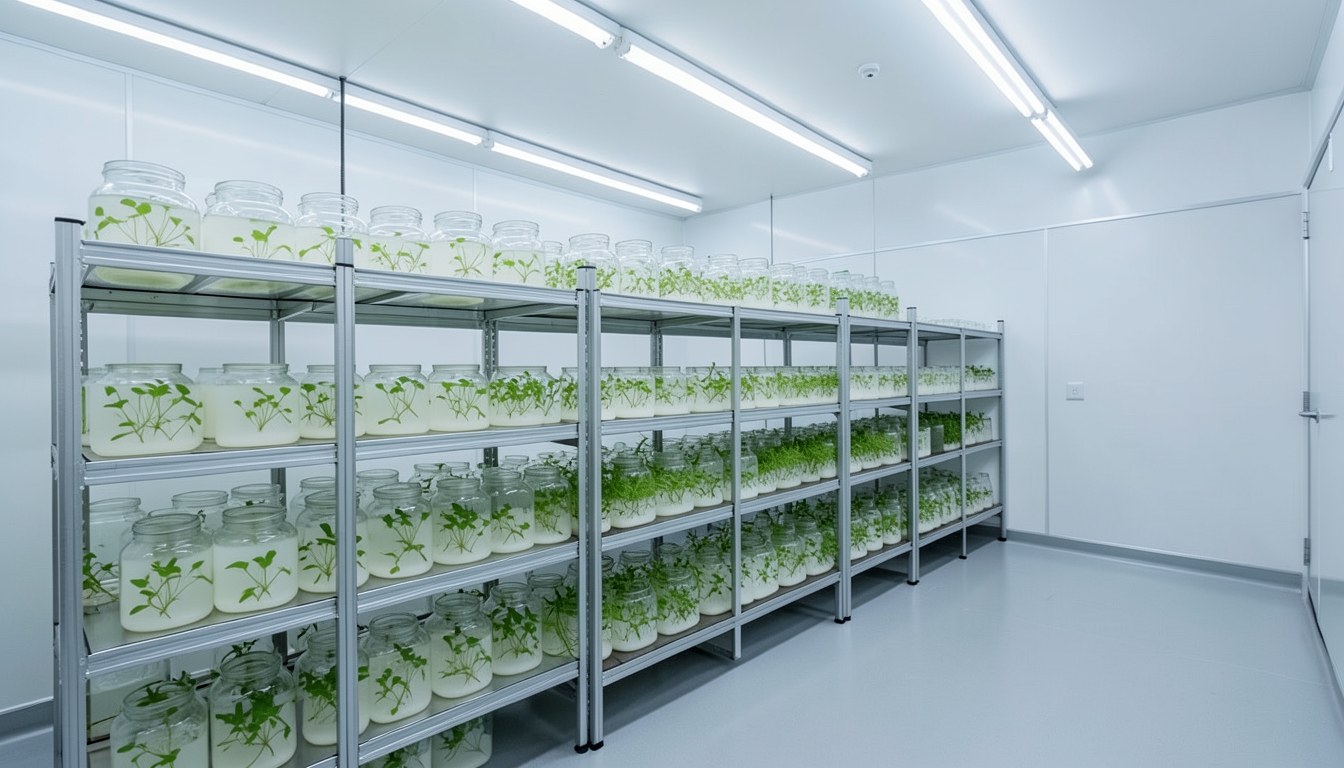 PTC-101
Plant Tissue Culture: From Principles to Production
A complete, lab-grounded course in micropropagation: the science, the laboratory, culture media, initiation, multiplication, rooting, hardening, troubleshooting and production biology. Free, self-paced, with quizzes, calculators and a verifiable certificate.
9 modules · 36 lessons · 9 quizzes
Start the course
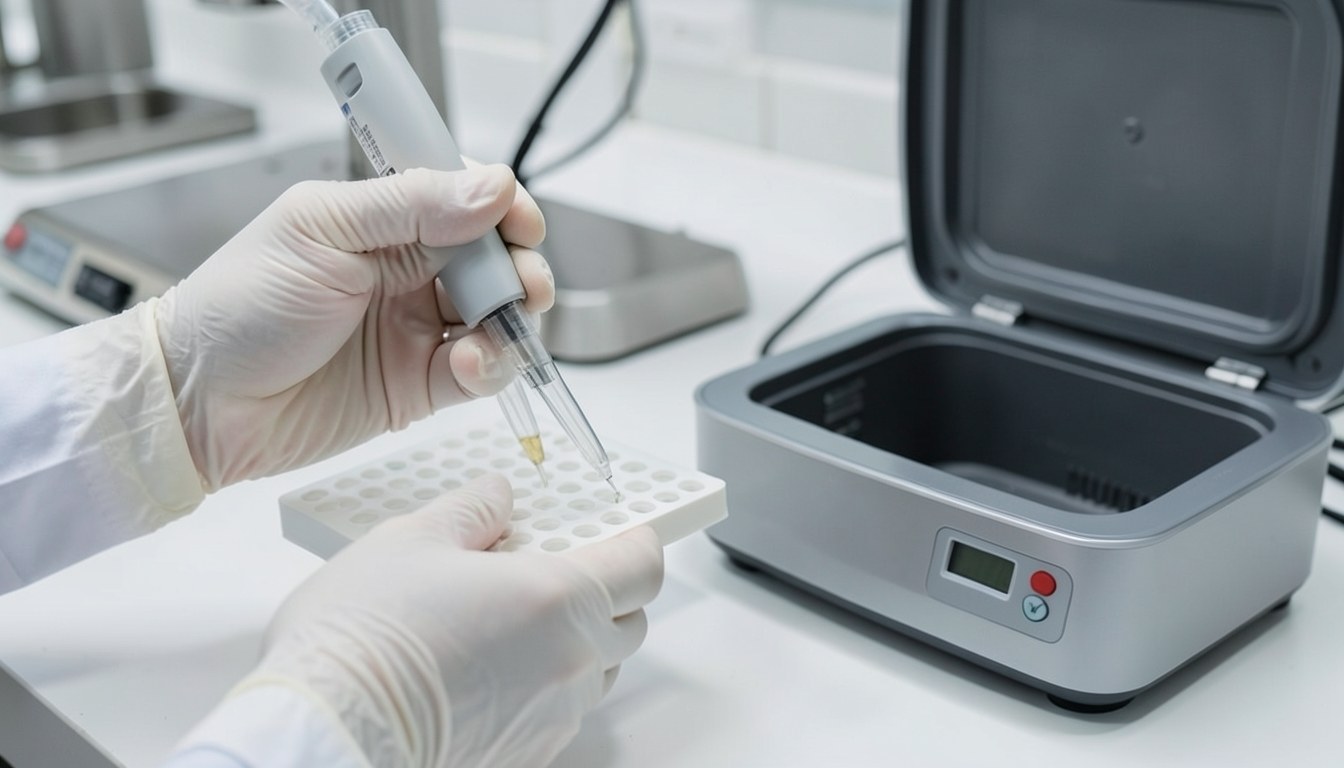 MOL-201
Molecular Biology Techniques: From Nucleic Acids to Gene Expression
The core molecular methods of a plant biotechnology laboratory, explained from the principle to the bench: DNA and RNA extraction, PCR, gel electrophoresis, restriction and cloning, sequencing, blotting and quantitative PCR. Free, with diagrams, worked calculations, quizzes, calculators and a verifiable certificate.
9 modules · 28 lessons · 9 quizzes
Start the course
 PBIO-301
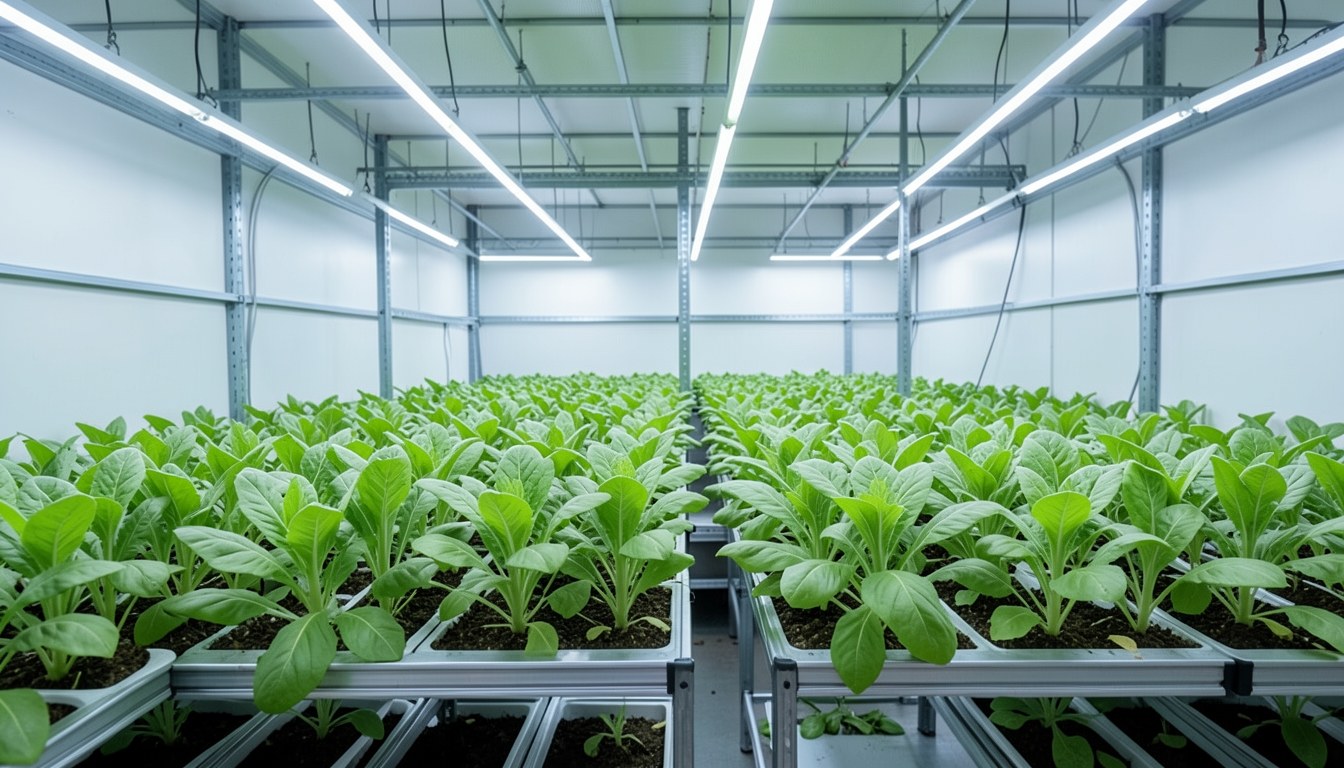
Plant Biotechnology: Transformation, Genome Editing and Applications
How plants are genetically engineered and improved: Agrobacterium and biolistic transformation, regeneration systems, molecular markers and breeding, metabolic engineering, transgene design and biosafety, CRISPR genome editing, molecular farming and bioinformatics. Free, with diagrams, worked examples, quizzes, calculators and a verifiable certificate.
9 modules · 29 lessons · 9 quizzes
Start the course
 GH-101
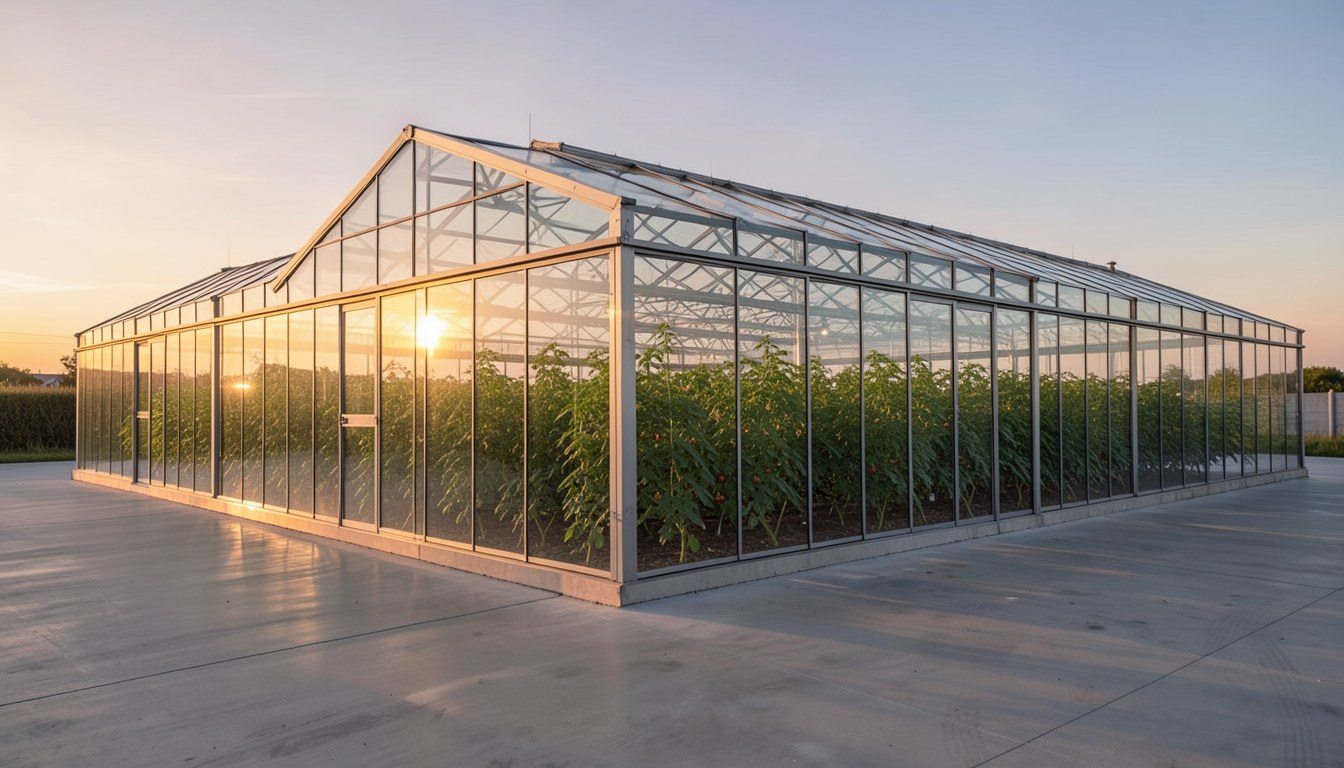
Greenhouse Crop Production: The Science of Controlled Environments
How a greenhouse works as a physical and biological system: energy and humidity, light and carbon dioxide, ventilation and heating, water and nutrition, crop steering, pest and disease biology, and the sensors and control loops that tie it together. Science first, with worked calculations.
8 modules · 27 lessons · 8 quizzes
Start the course
 HL-201
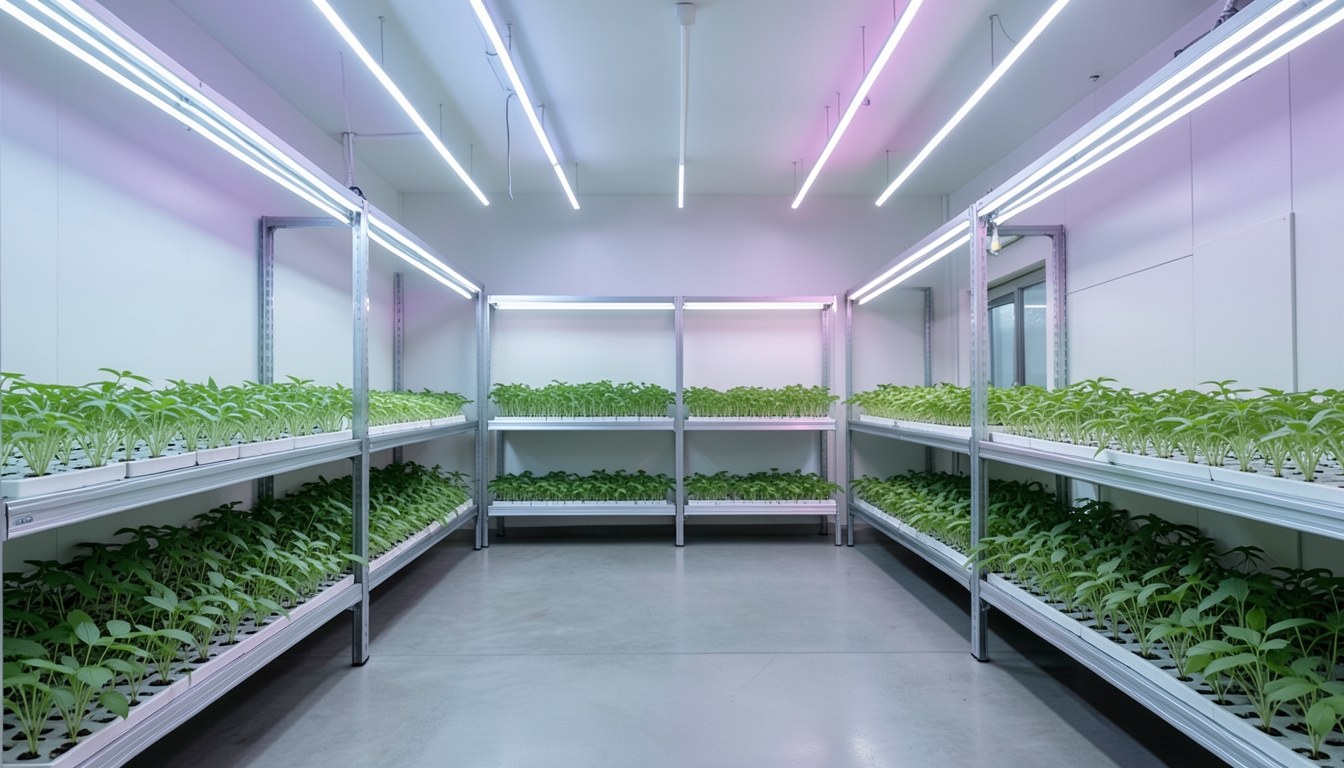
Horticultural Lighting: The Science of Light for Plants
Light as radiation and as a signal: photon units and measurement, photoreceptors and photomorphogenesis, photosynthesis and light use, how LEDs and other lamps make and distribute light, and how to size a lighting system from the physics.
7 modules · 26 lessons · 7 quizzes
Start the course
 TCL-201
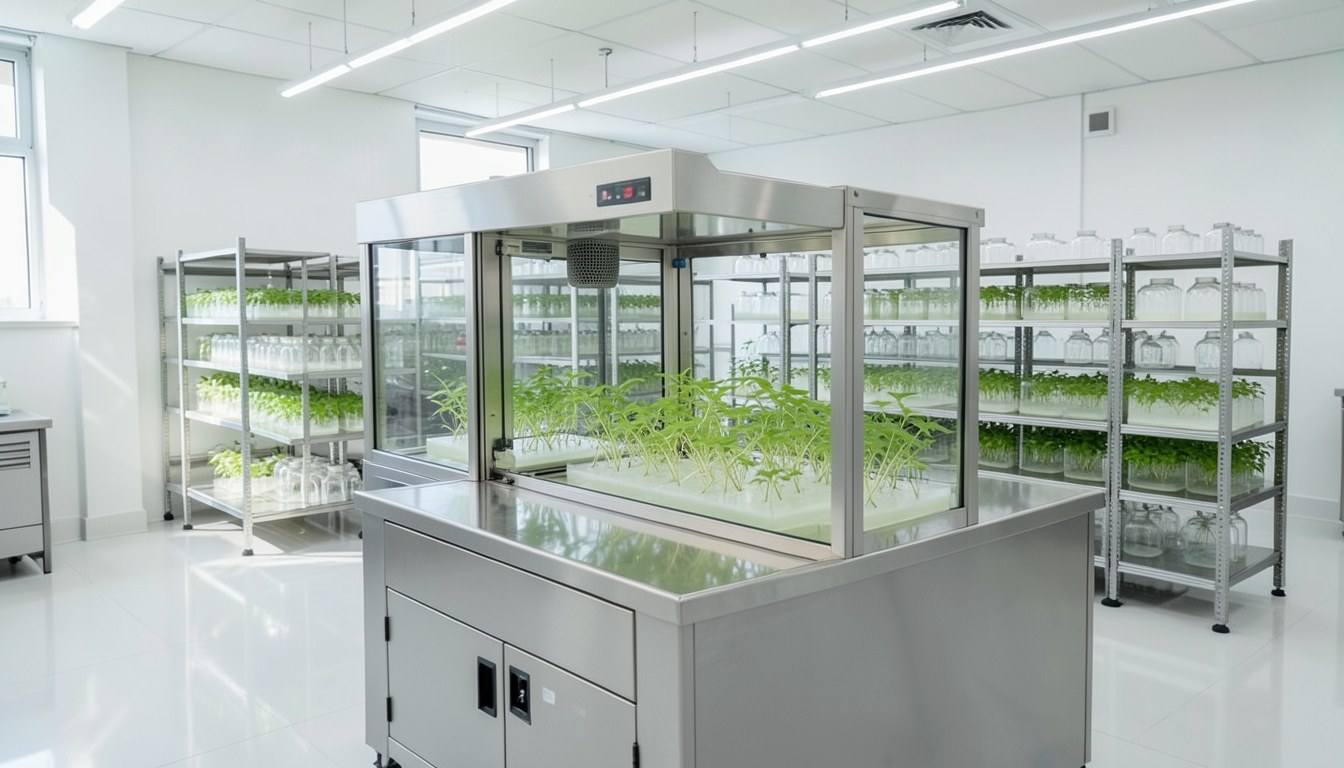
Tissue Culture Laboratory Science: Microbiology, Sterility and Environment
The science behind a clean culture: the microbes that contaminate, the kinetics of sterilisation, how clean air really works, the physics of vessels and growth rooms, and the statistics for reading contamination and variation. A companion to PTC-101 for people who want the why.
7 modules · 25 lessons · 7 quizzes
Start the course
 PDD-301
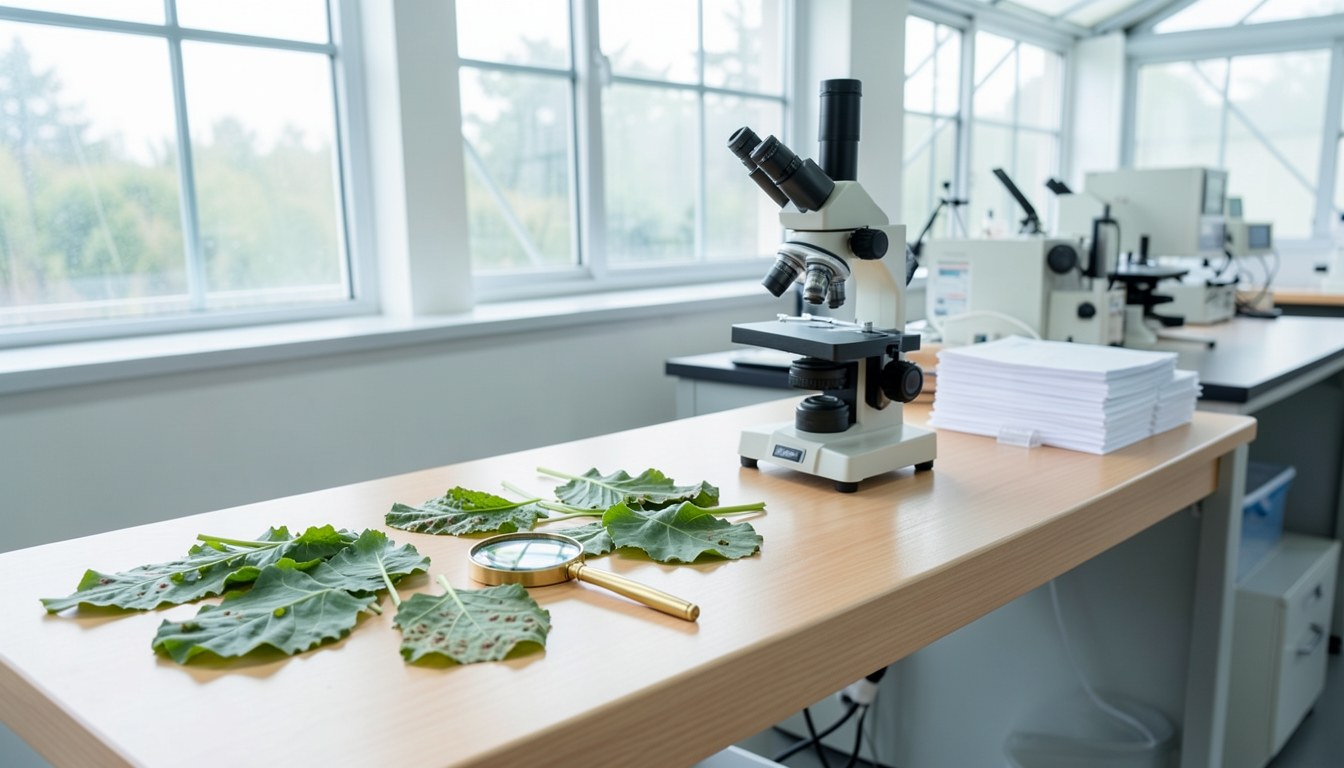
Plant Disease Diagnostics: From Symptoms to Pathogen
How to work out what is wrong with a plant: the science of disease, reading symptoms and patterns, laboratory methods from microscopy to PCR, interpreting test results with the mathematics of sensitivity and prevalence, and the epidemiology behind management.
6 modules · 22 lessons · 6 quizzes
Start the course
 EDS-201
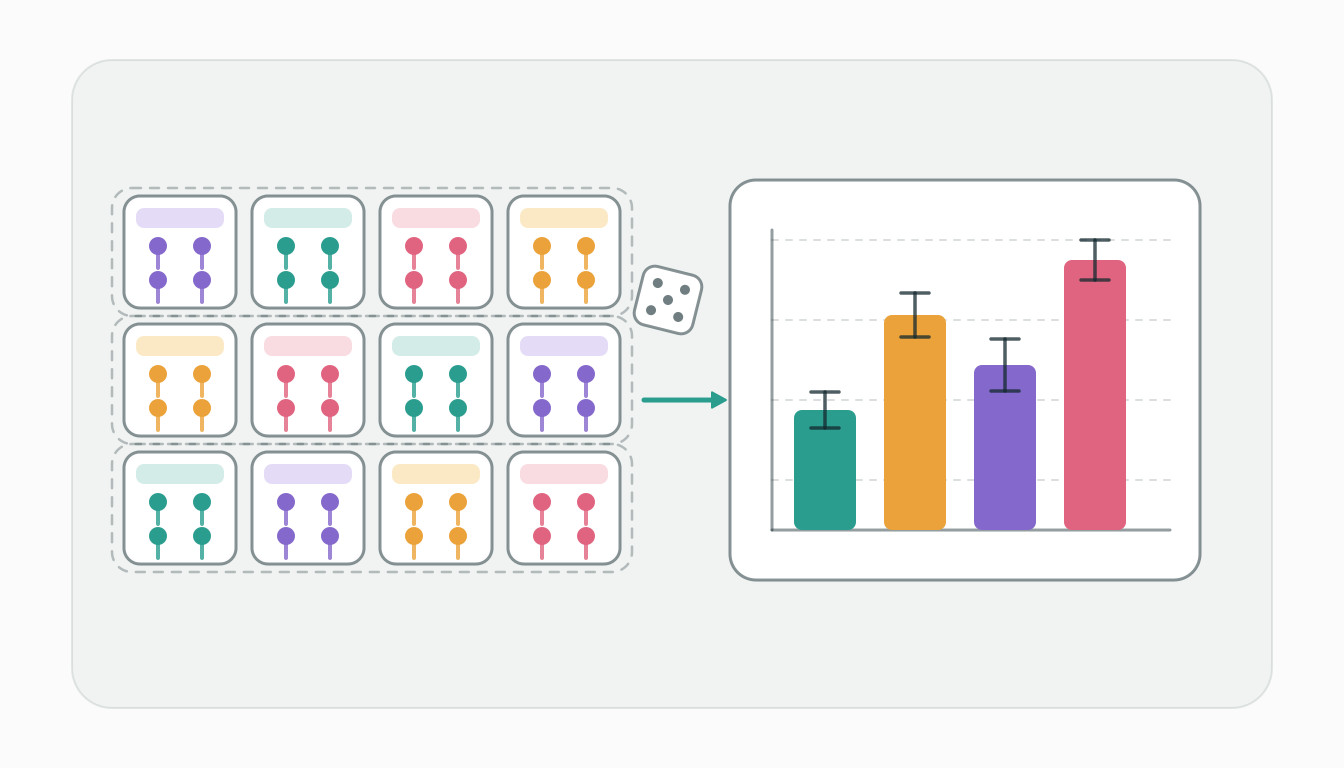
Experiment Design and Statistics for Plant Science
How to design an experiment that can answer its question and analyse it honestly: units and pseudoreplication, randomisation and blocking, sample size and power, factorial designs, describing data, confidence intervals, t-tests, ANOVA and regression, with plant culture and greenhouse examples worked through.
6 modules · 22 lessons · 6 quizzes
Start the course
 PIM-301
Plant Imports and Phytosanitary Principles
Why plant movement is regulated and how it works: how pests travel with trade, the international framework (IPPC, ISPMs, the SPS Agreement), pest risk analysis, inspection sampling, phytosanitary certificates, quarantine and containment. Principles and science only; always check your country's current rules.
5 modules · 17 lessons · 5 quizzes
Start the course
 GSD-301
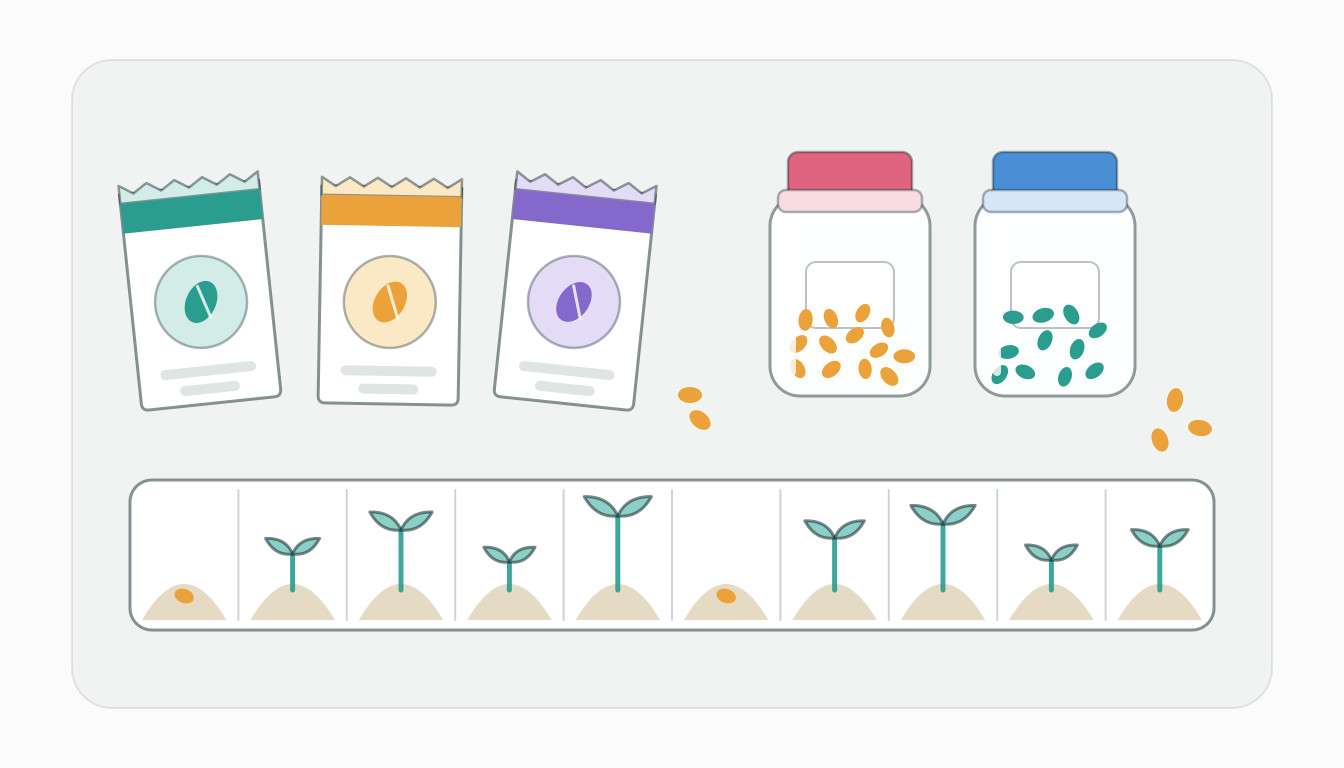
Germplasm and Seed Technology
The science of genetic resources and seeds: why diversity matters and how much to sample, seed development, storage behaviour and dormancy, germination physiology, viability and vigour testing, storage and cryopreservation, and seed production principles.
5 modules · 18 lessons · 5 quizzes
Start the course
 PPH-101
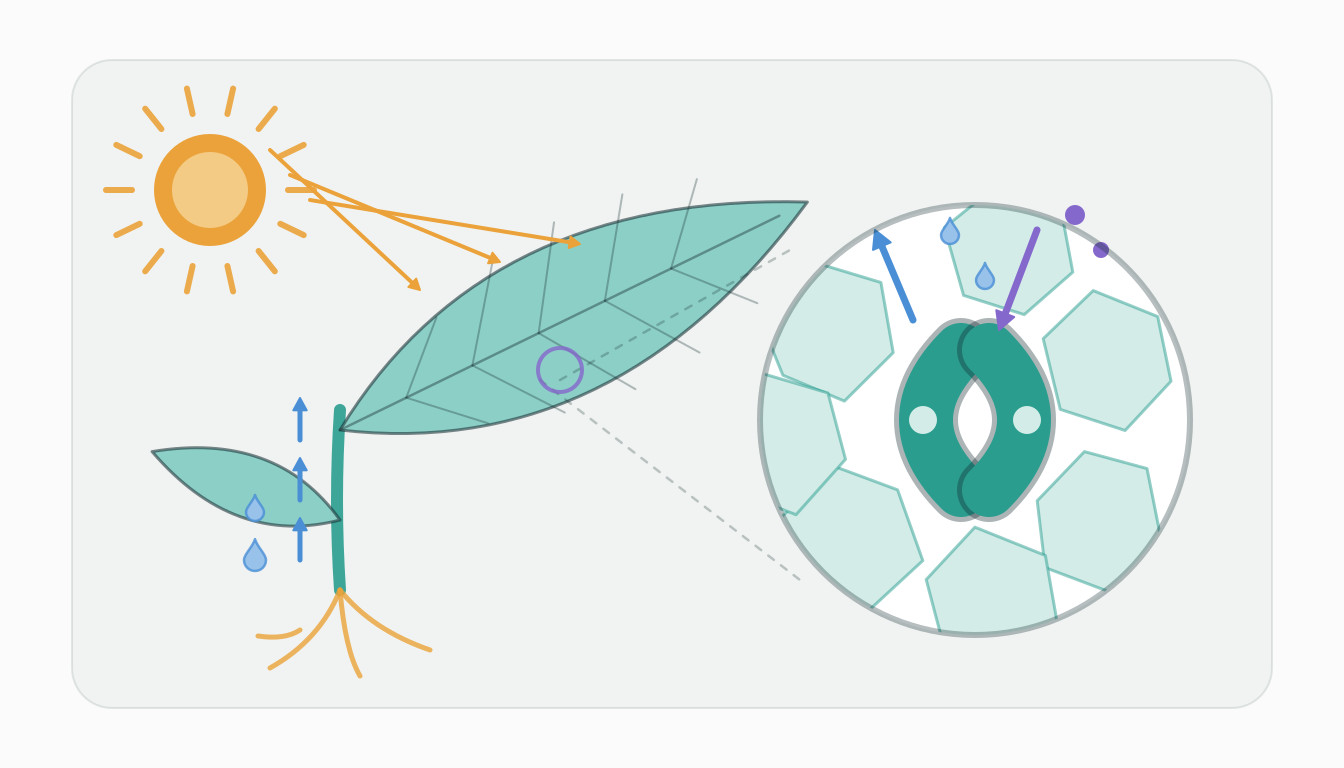
Plant Physiology Fundamentals
How plants work, explained through mechanisms and worked calculations: water potential and the path of water from soil to air, stomata, light and photosynthesis, mineral nutrition and deficiency diagnosis, respiration and phloem transport, growth analysis, hormones, light and temperature signals, seed germination, and the physiology of drought, heat, cold, salt and waterlogging. The foundation for the culture, greenhouse and lighting courses.
7 modules · 25 lessons · 7 quizzes
Start the course
 PNM-201
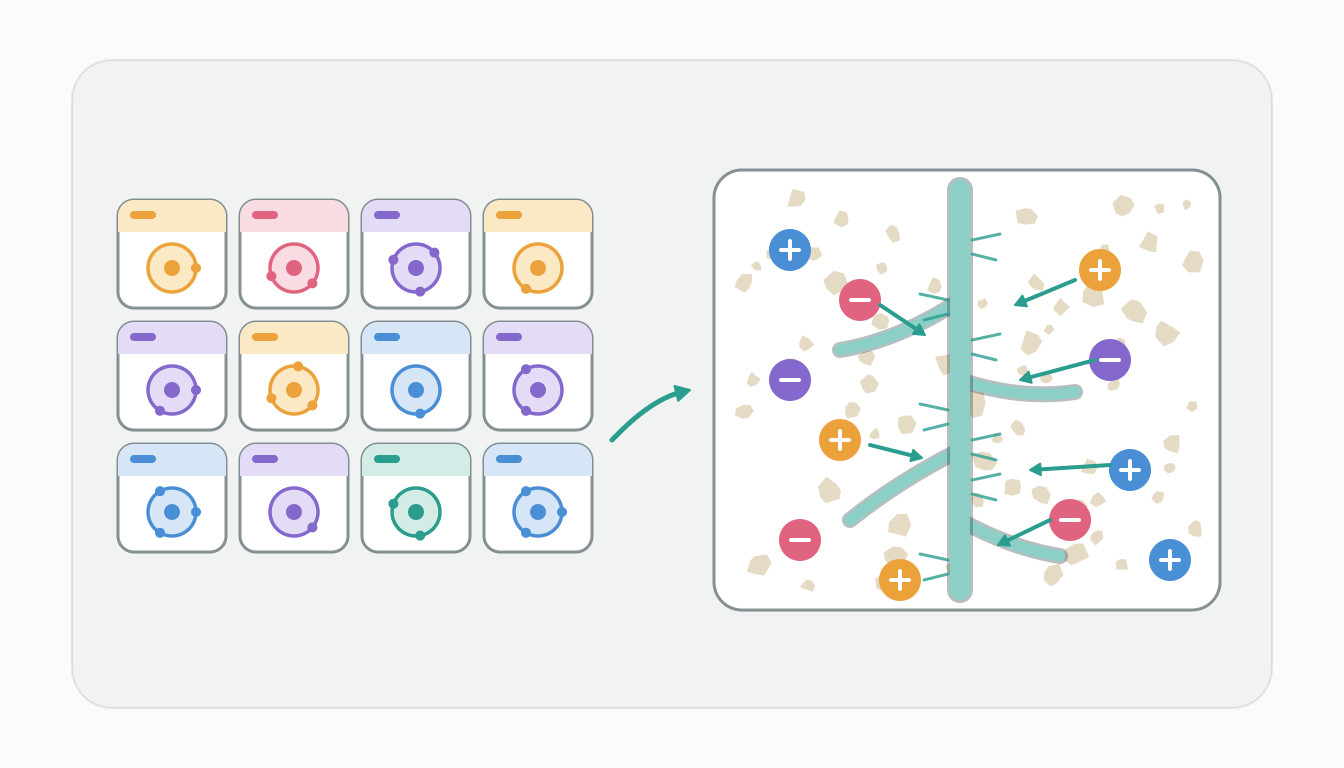
Plant Nutrition and Mineral Physiology
The essential elements and what each does inside the plant, how roots take them up and move them, how pH, the root environment and solution chemistry control availability, how deficiency and toxicity are diagnosed from symptoms and tissue tests, and how to do nutrient-solution arithmetic (mmol, meq, ppm, EC) for greenhouse and tissue culture work.
7 modules · 26 lessons · 7 quizzes
Start the course
 PGR-201
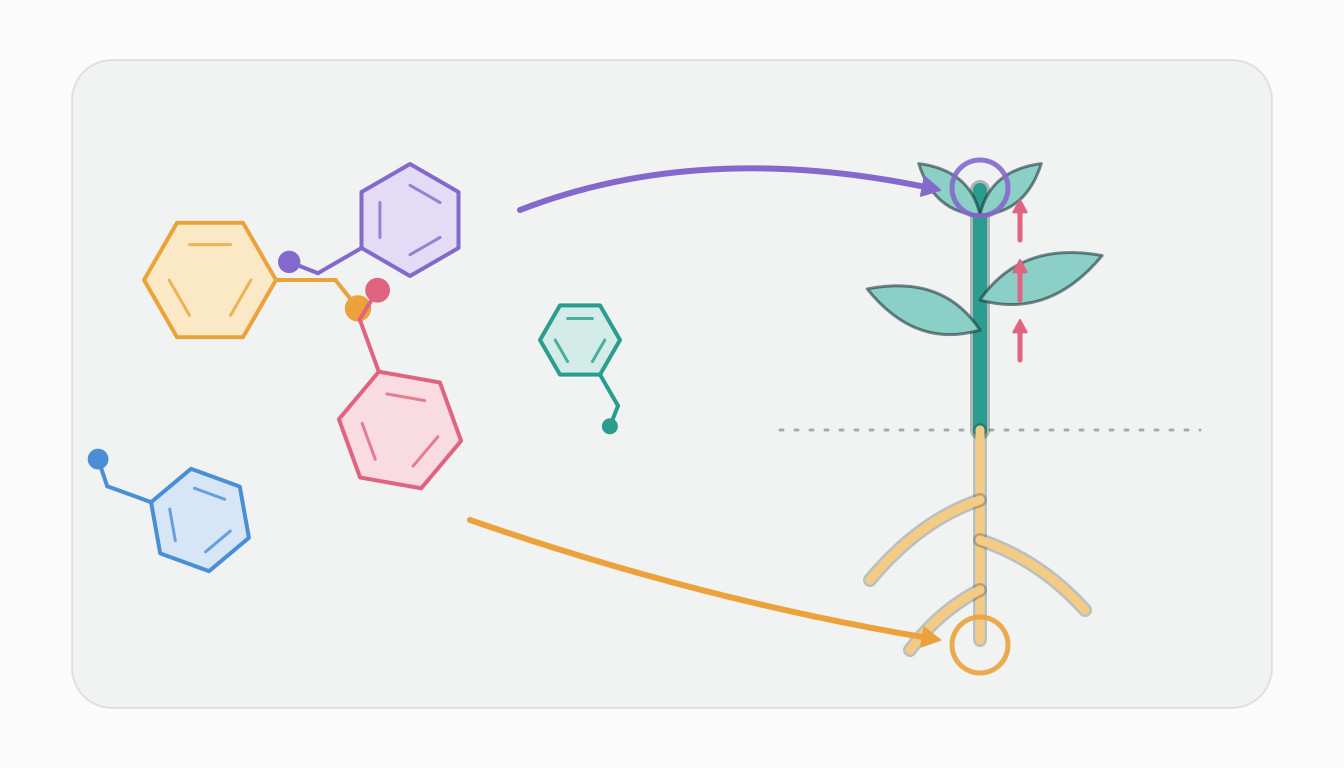
Plant Growth Regulators and Hormone Signalling
How plant hormones are made, moved, sensed and switched off: auxin, cytokinin, gibberellin, abscisic acid, ethylene, brassinosteroids, jasmonates, salicylic acid, strigolactones and peptide signals, with the calculations (molar and mass concentrations, dilutions, ratios, dose-response curves) and the crosstalk logic that let you reason about culture, greenhouse and field responses.
8 modules · 27 lessons · 8 quizzes
Start the course
 PGB-301
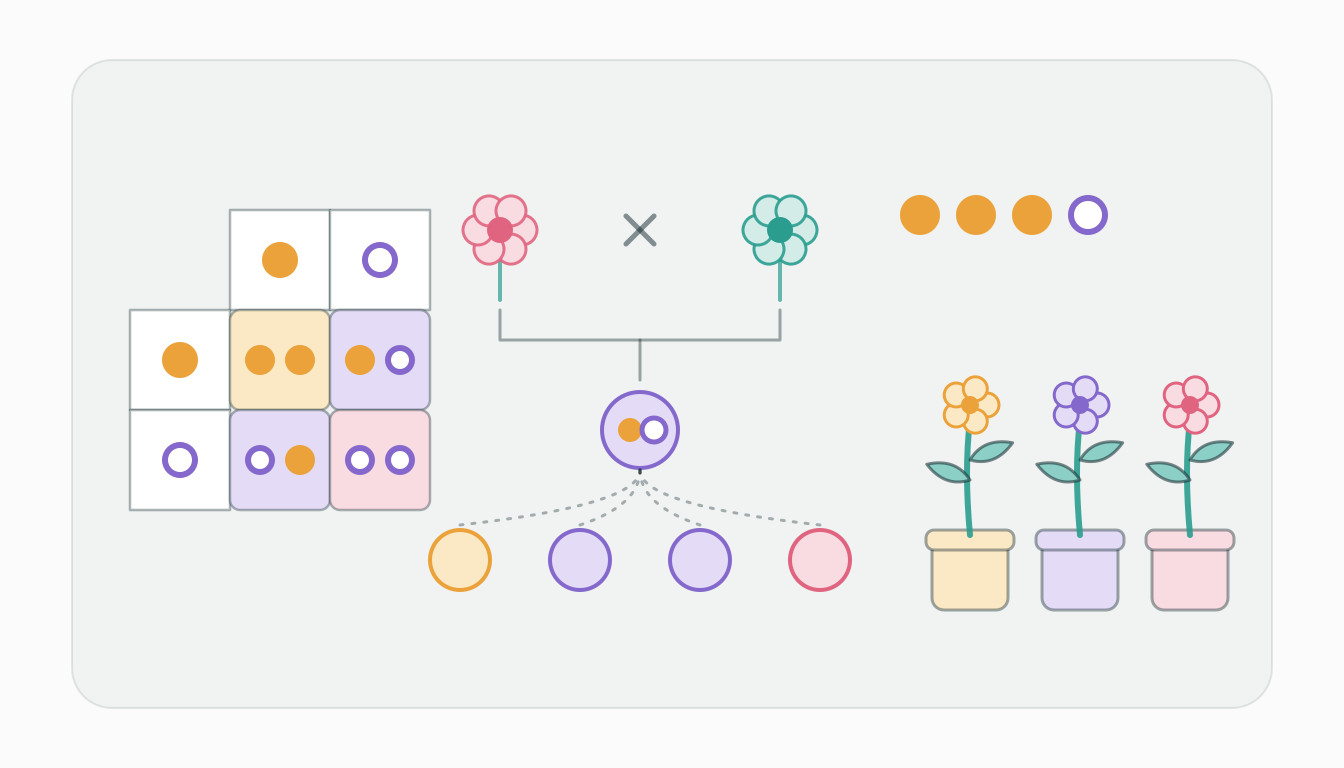
Plant Genetics and Breeding Methods
The genetics behind plant breeding and the methods built on it: Mendelian ratios and chi-square, linkage, Hardy-Weinberg, quantitative traits and heritability, mating systems and inbreeding, response to selection and gain per year, pure-line and backcross methods, heterosis and combining ability, recurrent selection, polyploidy, wide crosses, mutation and editing, markers and genomic selection, field trials and variety release, with every calculation worked through.
7 modules · 26 lessons · 7 quizzes
Start the course
 IPM-301
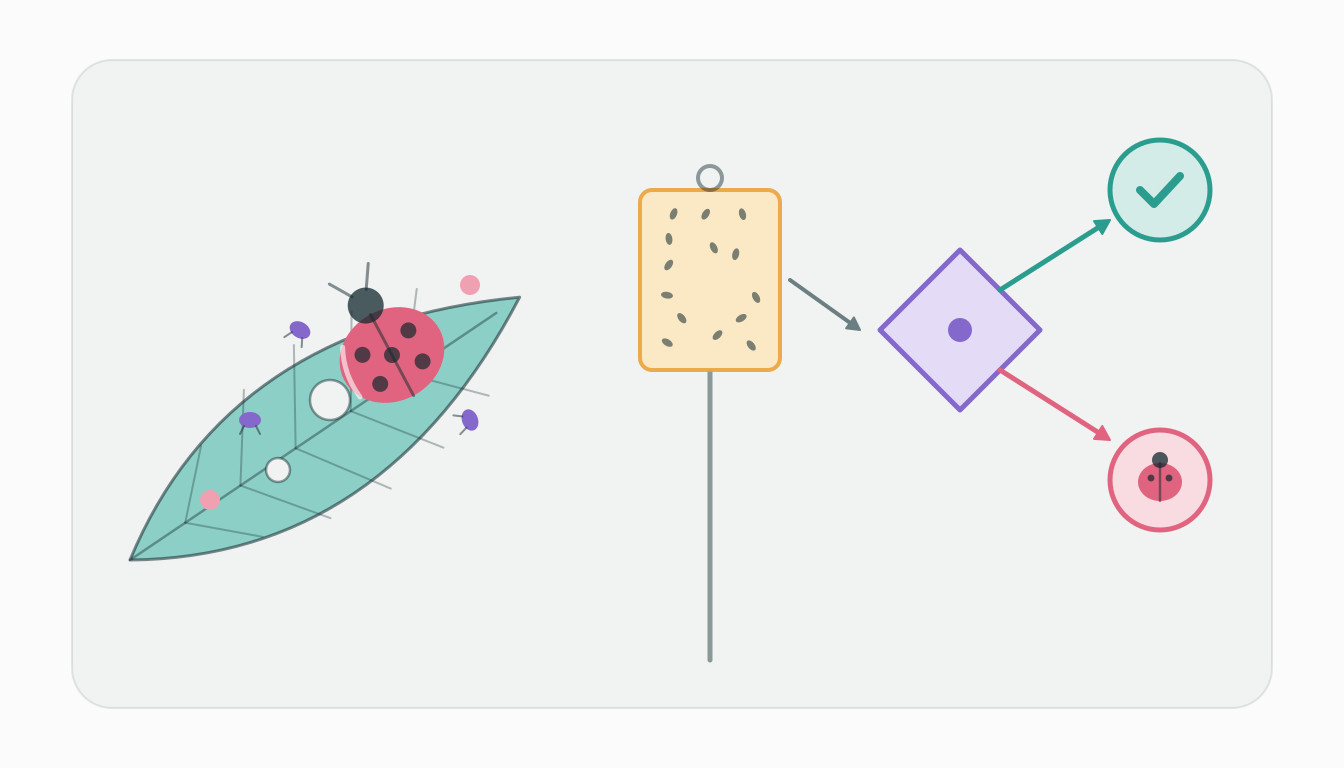
Integrated Pest Management
How to manage plant pests as one decision system: pest biology and population growth, degree-days, scouting and sampling plans, economic injury levels and action thresholds, cultural, physical and biological control, modes of action and resistance genetics, pesticide safety, calibration and drift, and the evaluation of whole programmes, with every calculation worked through.
8 modules · 26 lessons · 8 quizzes
Start the course
 QGL-301
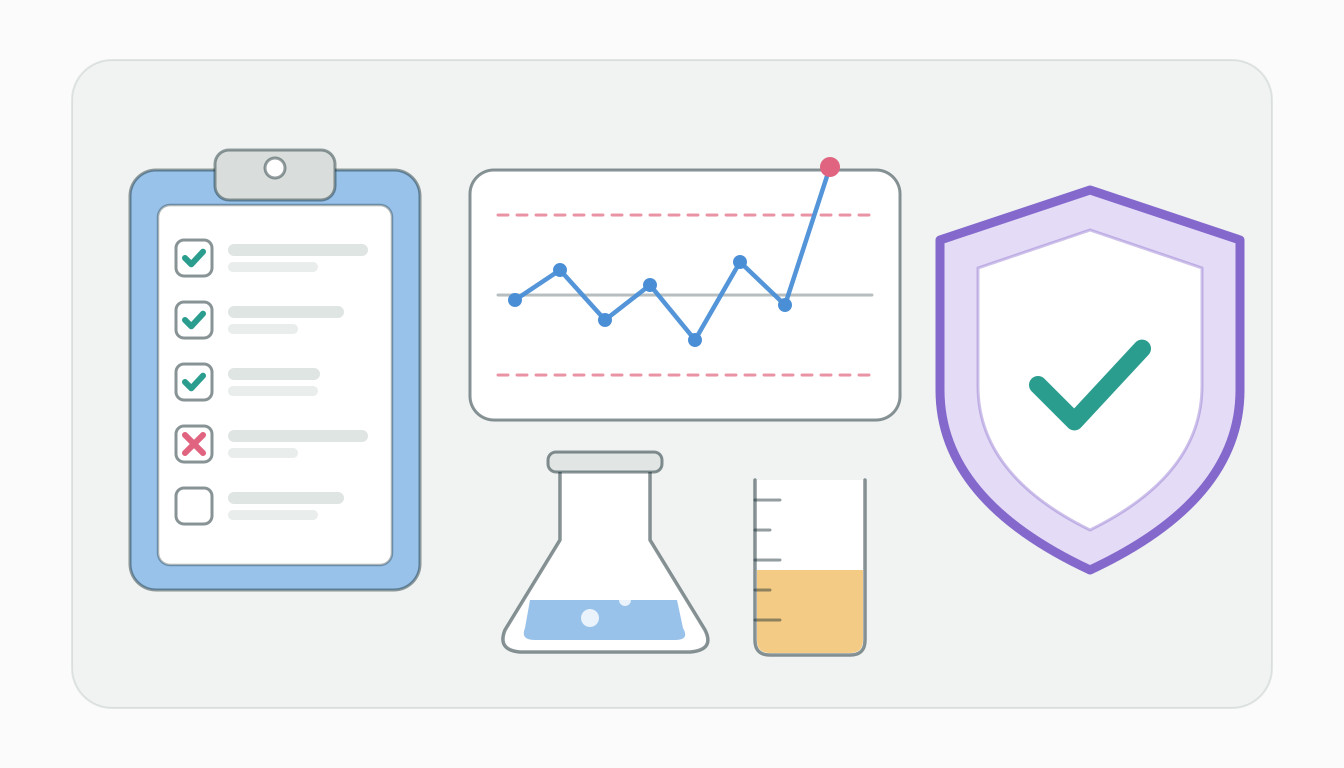
Quality, Biosafety and Good Laboratory Practice
The science behind trustworthy laboratory results and safe laboratory work: quality-system thinking, SOPs and data integrity, calibration and measurement uncertainty, method validation (accuracy, precision, LOD, LOQ, linearity), control charts and multi-rules, risk assessment, biosafety levels, decontamination, waste and spills, incidents, audits and corrective action, with every calculation worked through.
8 modules · 25 lessons · 8 quizzes
Start the course
 WIS-201
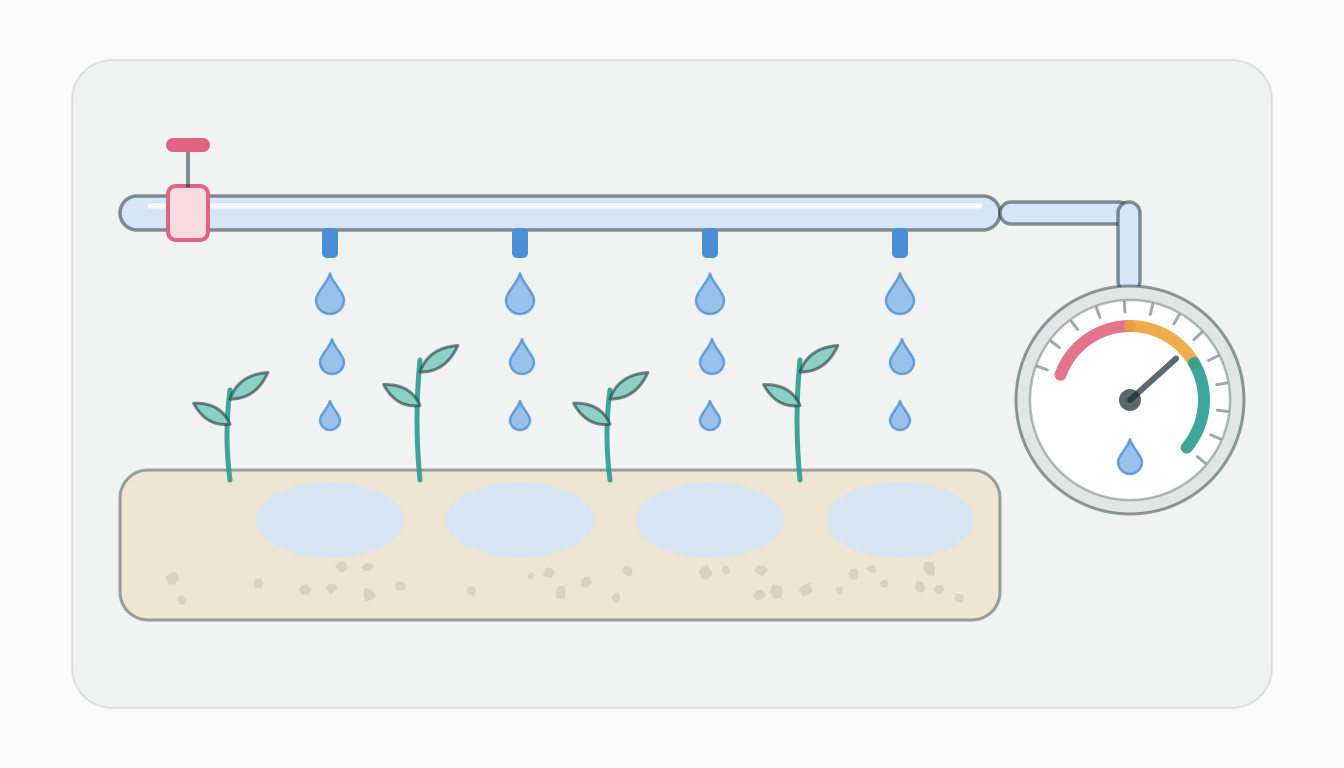
Water Quality and Irrigation Science
Water as a physical and chemical system for plant production: water potential and the soil-plant-atmosphere continuum, evapotranspiration and crop demand, irrigation methods and uniformity, reading a water analysis (EC, pH, alkalinity, hardness, SAR, specific ions), salinity and leaching, scheduling with substrate moisture and sensors, and the principles of water treatment and recycling. Every method is worked through with real numbers.
8 modules · 24 lessons · 8 quizzes
Start the course
 PHP-301
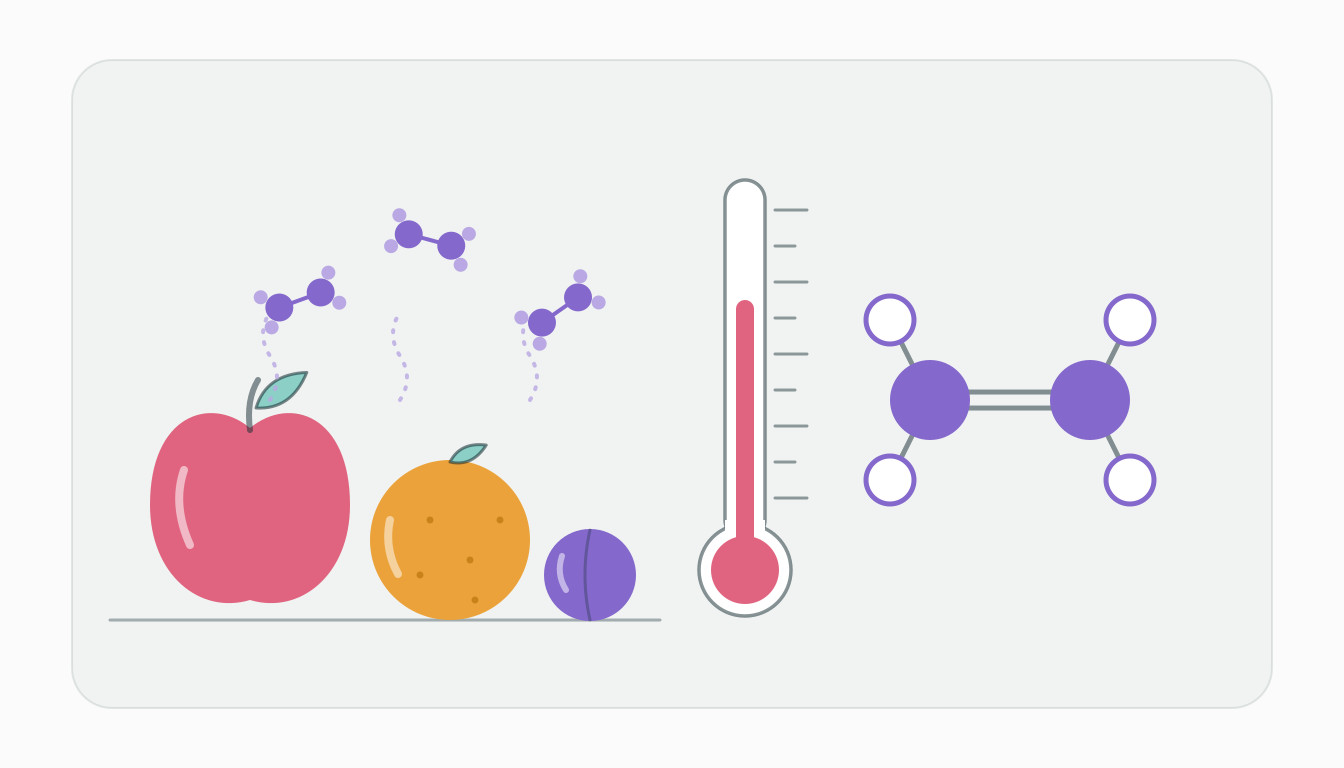
Post-harvest Physiology and Ethylene
What happens to plant material after it is cut or picked: respiration and heat, water loss, ethylene action, senescence, chilling injury, controlled atmospheres and how storage conditions slow change, with examples from cut stems, fruit and propagules.
8 modules · 23 lessons · 8 quizzes
Start the course
 SSS-201
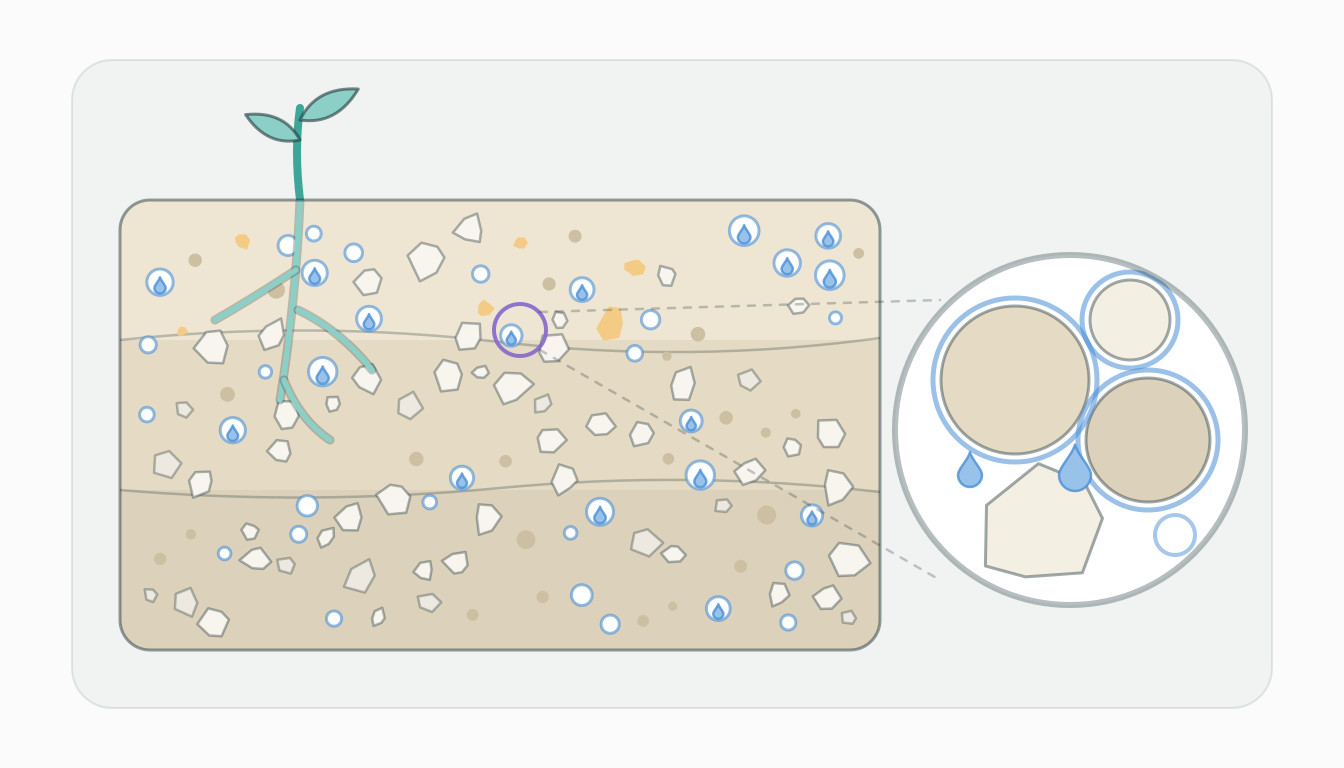
Substrate and Soil Science
Soils and growing media as three-phase physical, chemical and biological systems: density and porosity, texture and structure, water retention and air-filled space in containers, pH, buffering, cation exchange and salinity, organic matter and nitrogen, nutrient transport, the root-zone biology, and how to design, mix, test and interpret a substrate, all worked through with real numbers.
8 modules · 27 lessons · 8 quizzes
Start the course
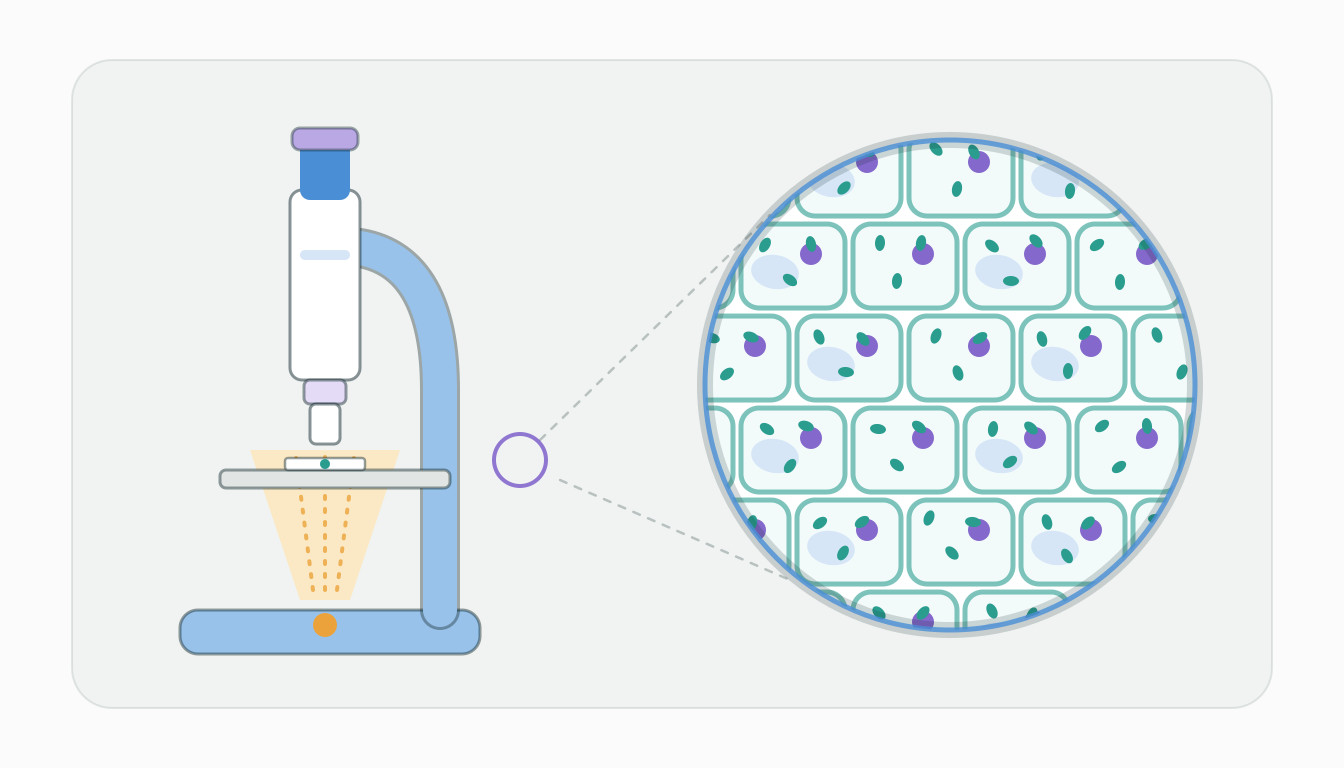 PMI-201
Plant Microscopy and Imaging
How to see and measure plant tissue honestly: light and lenses, resolution and numerical aperture, the compound and stereo microscope and Köhler illumination, phase, polarised light, DIC and fluorescence contrast, fixing, sectioning, staining and mounting at the level of principles, digital sampling, noise and calibration, and thresholding, counting and honest image handling, with the arithmetic worked step by step.
7 modules · 26 lessons · 7 quizzes
Start the course
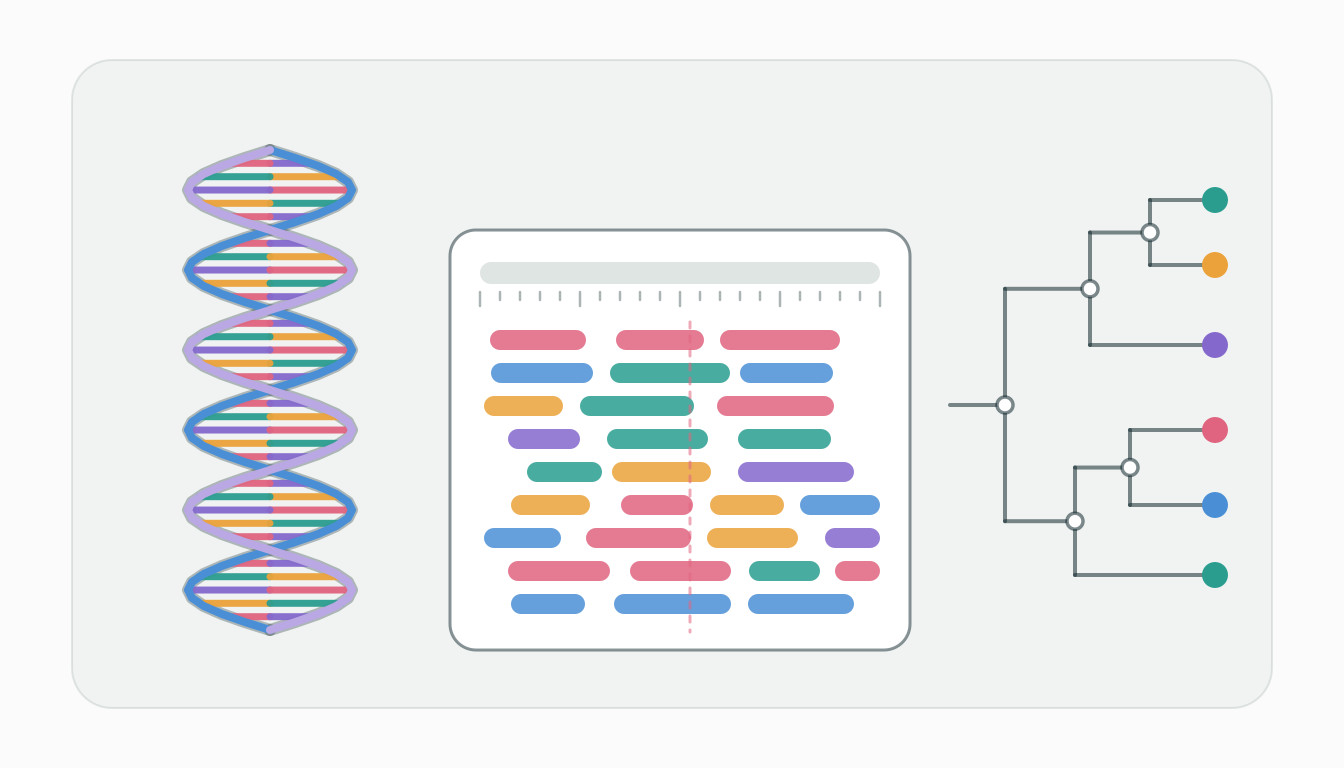 GBI-301
Genomics and Bioinformatics for Plant Scientists
How plant genomes are built and why they are hard to sequence: size, repeats, polyploidy and organelles; sequencing technologies, coverage and read quality; assembly, N50 and BUSCO; alignment, variant calling, filtering and population statistics; annotation, synteny and phylogenetics; RNA-seq normalisation, TPM and false discovery rate; and the habits that make an analysis reproducible. Every calculation is worked by hand with real numbers.
7 modules · 28 lessons · 7 quizzes
Start the course