
The first question anyone planning a tissue culture lab in India asks is: how much will this cost? The second question — usually asked after receiving wildly varying quotes — is: what do I actually need?
These are the right questions. What follows is a practical guide to the equipment, space, and decisions that go into setting up a functional TC lab in India. We have deliberately not included specific INR prices in this guide — equipment costs vary significantly by brand, vendor, city, and whether you are buying new or refurbished. Get at least three quotes before committing to any major purchase. For a detailed assessment of your specific requirements, contact our team.
Note: Equipment prices shift with import duties, GST, and vendor margin. Any figures you find online — including guides like this one — should be treated as a starting point for budgeting, not a final number. Get written quotes from at least two or three suppliers before making any capital decisions.
What Scale Are You Building For?
Before specifying equipment, answer this clearly: what monthly output do you need to be commercially viable at your target product and price point? Common entry points:
- Research or institutional lab: 500–2,000 vessels per month. Protocol development and small-batch production. Often manageable with minimal civil works if suitable space already exists.
- Small commercial lab: 5,000–15,000 vessels per month. Viable for ornamentals, specialty crops, and high-value species. Requires dedicated space and purpose-built infrastructure.
- Medium commercial lab: 20,000–50,000 vessels per month. Multiple laminar flow cabinets, larger autoclave capacity, and formal quality systems. A significant capital commitment.
These ranges include equipment, civil works if needed, initial reagent stock, and a working capital buffer for the first three to four months before revenue begins.
The Non-Negotiable Equipment
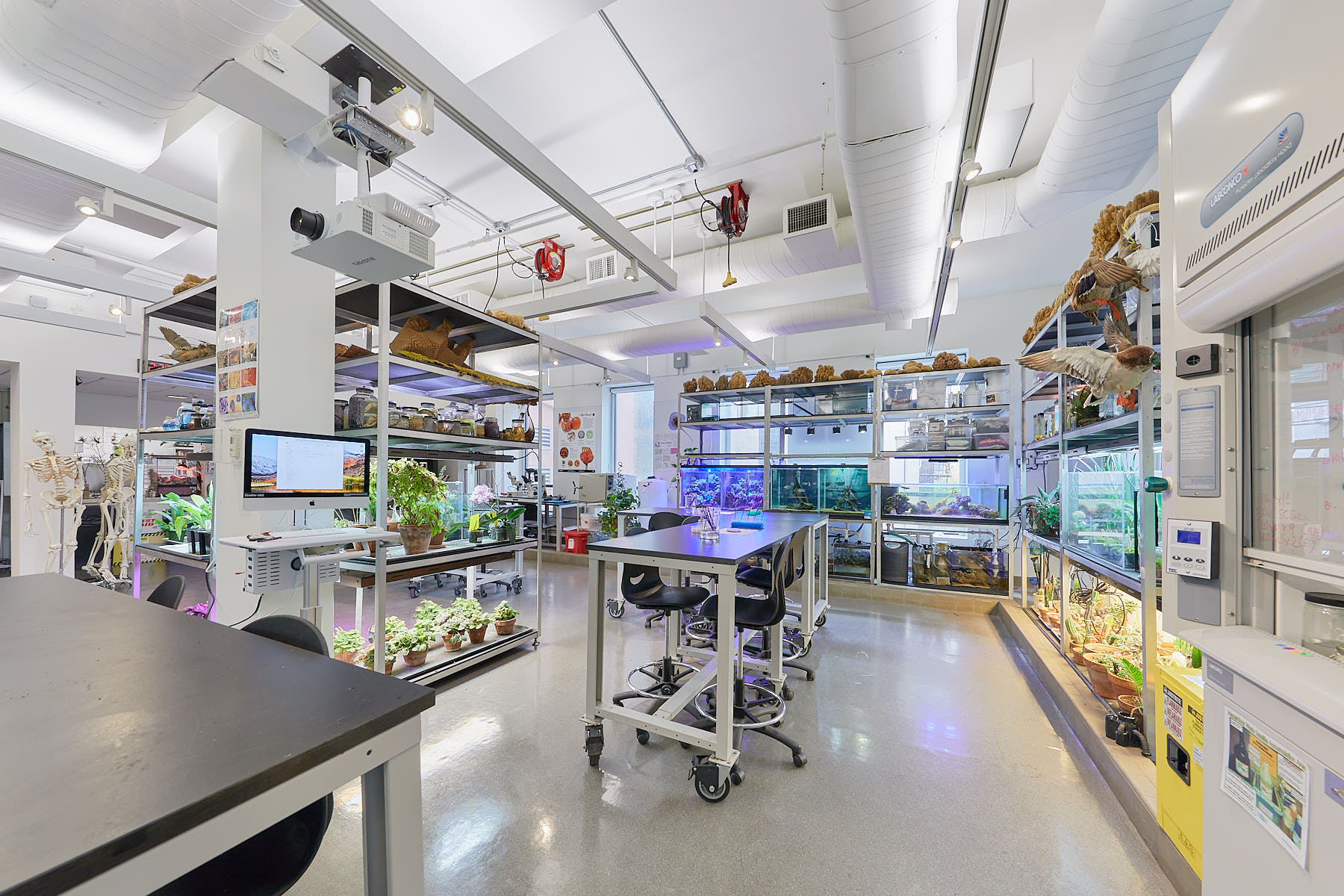
There is no substitute for these five categories. Every TC lab at any scale needs all of them.
1. Laminar Flow Cabinet (LAF)
This is where all inoculation and transfer work happens. A laminar flow cabinet pushes HEPA-filtered air in a unidirectional flow across the work surface, creating a zone free of airborne contaminants. Without it, contamination rates will be unmanageable regardless of how carefully you work.
For a small lab, a single horizontal LAF of 120 cm working width is the starting point. Established Indian brands include Klenzaids, Span Electronics, and Tanco. Get quotes from at least two vendors — price, delivery lead time, and after-sales service all vary meaningfully.
2. Autoclave
Every piece of equipment and media entering the culture environment must be sterilised. For a small commercial lab, a vertical autoclave with 50–80 L capacity handles media preparation for a meaningful number of bottles per cycle.
Don’t undersize this. A bottleneck at the autoclave is one of the most common causes of production delays in new TC labs. Budget for one size larger than your initial projection suggests.
3. Culture Room with Controlled Lighting
TC cultures need a stable environment: 22–27°C, a 16-hour photoperiod, and consistent light intensity. In most of India, this requires air conditioning plus grow lights — ambient temperature is too high for passive cooling, and natural light is too variable.
LED grow lights have significantly reduced culture room running costs over the past few years and are now the standard choice for new builds.
4. pH Meter and Analytical Balance
Media preparation requires precise pH adjustment (typically 5.7–5.8 before autoclaving) and accurate weighing of salts and reagents. A calibrated pH meter and four-decimal analytical balance are not optional at any scale.
5. Distillation or RO Water System
All media preparation uses double-distilled or high-purity RO water. A glass distillation unit or high-quality RO system with a deionisation stage is standard. Output volume requirements will determine the right specification.
Space Requirements
A functional small-scale TC lab needs four distinct zones:
- Wash and preparation area — glassware washing, substrate preparation, staging materials. 60–80 sq ft.
- Media preparation and autoclaving area — where stock solutions are made and media is sterilised. Should be separate from the transfer area. 80–100 sq ft.
- Transfer room — where the laminar flow cabinet lives. Smooth washable surfaces, positive air pressure if possible, UV lamp for overnight decontamination. 80–120 sq ft.
- Culture room — where inoculated vessels incubate on shelves under lights. 150–300 sq ft for a small commercial lab, more for larger output targets.
Total for a small commercial lab: 400–600 sq ft, ideally ground floor or basement with reliable electricity and generator or UPS backup for the culture room.
The Five Mistakes New TC Labs Make
Mistake 1: Undersizing the Autoclave
A 30 L autoclave might seem sufficient when starting small. As production scales, it becomes the limiting factor — running multiple rushed cycles a day introduces quality variation. Buy one size larger than you think you need from the start.
Mistake 2: Skipping the Culture Room UPS
A single extended power cut in summer — common across much of India — can raise culture room temperature enough to cause widespread contamination in actively growing cultures. A dedicated UPS or generator that can keep the air conditioning and lights running for at least two hours is not optional.
Mistake 3: Using Substandard Reagents
The difference between TC-grade and generic reagents — particularly agar and media salts — is significant. Contaminated or low-purity reagents introduce variability and phantom contamination events that are genuinely difficult to diagnose. Source from known suppliers and track lot numbers.
Mistake 4: Rushing Production Before Staff Are Ready
Aseptic technique takes practice. A technician who has completed forty inoculation sessions under supervision makes fundamentally different decisions than one who has done four. Rushing into production with undertrained staff produces contamination rates of 30–50% — high enough to make commercial production unviable. Budget a minimum of four to six weeks for hands-on training before the first commercial batch.
Mistake 5: No Digital Record System
Paper logs work for a very small lab for a short time. As production scales, contamination patterns can’t be traced, media batch variations can’t be identified, and bottle review schedules are missed. A purpose-built TC lab management system is worth implementing from day one — not after you’ve lost several production cycles to untracked problems.
What to Expect in Year One
A new TC lab operating at small commercial scale typically takes three to six months to stabilise contamination rates below 10%. The first batches are learning batches — they reveal weaknesses specific to your facility, your team, and your protocols. Plan for this and budget for it rather than expecting immediate commercial output.
By month six to nine, a well-managed lab with good systems in place should be running consistently below 8% contamination, with high-value species below 5%. At that point, the economics begin to work clearly in your favour.
Getting the setup right — the right equipment, the right training, the right record system — pays back faster than cutting corners and spending months diagnosing preventable problems.
Need a detailed assessment? Our team has helped set up TC labs across India at research and commercial scale. Get in touch to discuss your requirements.