Description
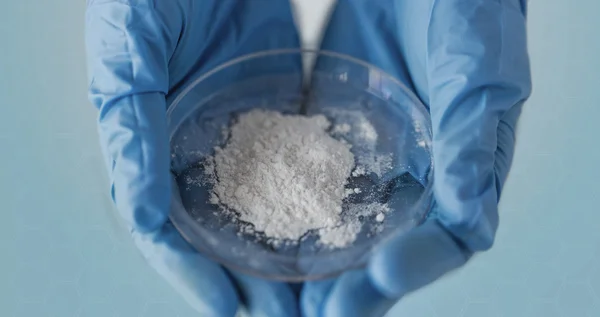
🍬 Sucrose (TC Grade) — the universal carbon and energy source for plant tissue culture. Every TC medium needs it. TC grade is ultra-pure — no heavy metal contamination, no microbial-origin impurities that inhibit growth.
| 🧪 CAS | 57-50-1 | ⚖️ MW | 342.30 g/mol |
| 🔬 Grade | TC / Ultra-Pure | 🌡️ Storage | RT, sealed, dry |
🍬 Why TC grade matters
Food-grade sucrose contains impurities (heavy metals at ppm levels, residual invert sugars, colouring agents) that at TC’s high concentrations (30 g/L) can inhibit growth, cause medium colouration, or promote contamination. TC grade sucrose is produced to pharmaceutical/molecular biology purity standards. The difference is most noticeable in sensitive culture systems (embryogenesis, protoplasts, orchids).
🍬 Working concentrations
| Use | Concentration | Notes |
|---|---|---|
| Standard TC medium | 30 g/L (3% w/v) | MS, B5, WPM, most media |
| Orchid & embryo rescue | 10–20 g/L | Lower osmolarity for delicate systems |
| Somatic embryo induction | 30–60 g/L | Higher osmolarity aids SE initiation |
| Somatic embryo maturation | 30–45 g/L | ABA + high sucrose protocol |
| Acclimatisation / hardening | 5–15 g/L | Reduce as plantlets become autotrophic |
| Pollen germination in vitro | 50–150 g/L | High sugar needed for pollen tube growth |
💡 Sucrose is hydrolysed to glucose + fructose during autoclaving (inversion). The degree of inversion increases with longer autoclaving time and lower pH. For experiments requiring precise sucrose concentrations, filter-sterilise and add post-autoclave.
Reviews
There are no reviews yet.