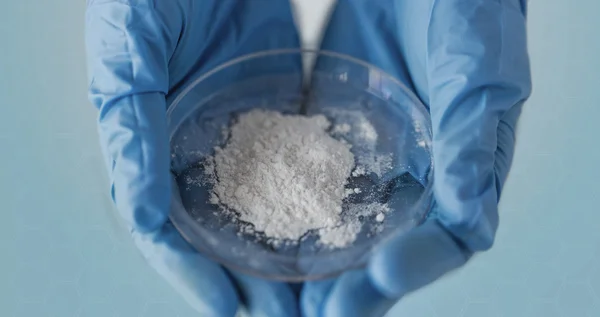
Description
🌿 Picloram (4-amino-3,5,6-trichloro-2-pyridinecarboxylic acid) — a persistent synthetic auxin used for somatic embryogenesis in legumes, tropical species, and other recalcitrant plants where 2,4-D gives poor response.
| 🧪 CAS | 1918-02-1 | ⚖️ MW | 241.46 g/mol |
| 🔬 Grade | TC / Research | 🌡️ Storage | RT, dark; stock 4 °C |
⚗️ Picloram vs 2,4-D
Picloram is more persistent in plant tissue than 2,4-D (even slower metabolism) and has a different receptor interaction profile — making it more effective for embryogenesis in legumes, Coffea, Theobroma (cacao), and other recalcitrant tropical species. As with 2,4-D, it must be removed during embryo development.
🌱 Working concentrations
| Use | Concentration | Notes |
|---|---|---|
| Soybean SE induction | 0.5–5 mg/L | Cotyledon explant |
| Cacao (Theobroma) SE | 0.5–2 mg/L | Staminode/petal explant |
| Coffee (Coffea) SE | 2–5 mg/L | Leaf discs |
| Banana SE alternative | 1–3 mg/L | Where 2,4-D underperforms |
| Pasture legume SE (alfalfa, clover) | 0.5–2 mg/L | Compare with 2,4-D first |
🧪 Stock prep
Dissolve in a few drops of 1M NaOH, dilute with water. Filter-sterilise. Store at 4 °C.
Reviews
There are no reviews yet.