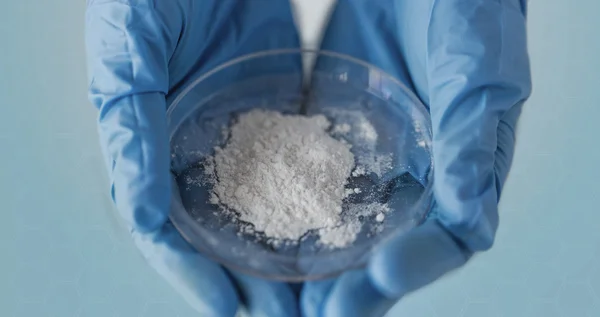
Description
🌿 Indole-3-Butyric Acid (IBA) — the preferred auxin for rooting. Converted to IAA in planta via β-oxidation, giving a gentler, sustained auxin signal specifically suited to root initiation.
| 🧪 CAS | 133-32-4 | ⚖️ MW | 203.24 g/mol |
| 🔬 Grade | TC / Research | 🌡️ Storage | −20 °C powder; 4 °C stock |
⚗️ Why IBA beats NAA for rooting
IBA is a stored form of auxin — plants convert it to IAA via peroxisomal β-oxidation, releasing IAA progressively at the root initiation zone. This gives a more natural, graduated auxin signal than applying NAA or IAA directly. IBA also shows lower phytotoxicity at rooting concentrations, especially for woody species.
🌱 Working concentrations
| Use | Concentration | Notes |
|---|---|---|
| In vitro root induction | 0.5–3 mg/L | ½ MS, 3–4 weeks dark |
| Recalcitrant species (in vitro) | 5–10 mg/L | Pulse: 24–48h high IBA then transfer |
| Ex vitro basal dip (powder/talc) | 2000–3000 ppm | Fast rooting before deflask |
| Ex vitro liquid pulse | 500–2000 ppm, 5 sec dip | Scalable for large batches |
| Woody plant rooting | 1–5 mg/L in WPM | Often more effective than NAA |
🧪 Stock prep
Dissolve in 70% ethanol or a few drops of 1M NaOH. IBA is more soluble in ethanol than in water. Prepare 1 mg/mL stock, filter-sterilise, 4 °C for 6 months.
💡 For recalcitrant species, a “pulse-and-transfer” rooting protocol often outperforms continuous IBA exposure: 48h on medium with 5–10 mg/L IBA in the dark, then transfer to hormone-free ½ MS.
Reviews
There are no reviews yet.