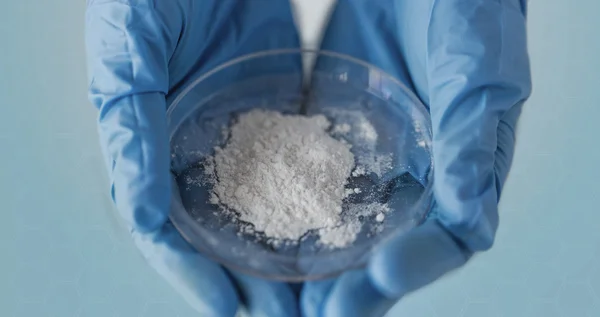
Description
🌻 Gibberellic Acid GA₃ — the most commonly used gibberellin; promotes stem elongation, seed germination, and overcomes dwarf phenotypes in TC culture.
| 🧪 CAS | 77-06-5 | ⚖️ MW | 346.37 g/mol |
| 🔬 Grade | TC / Research | 🌡️ Storage | −20 °C powder; 4 °C stock, short-term |
⚗️ What gibberellins do
GA₃ promotes elongation of internodes by stimulating expansin-mediated cell wall loosening and cell division in the subapical meristem. In TC, its main roles are: elongating stunted microshoots for transfer, breaking seed dormancy, and promoting pollen tube growth.
🌱 Working concentrations
| Use | Concentration | Notes |
|---|---|---|
| Microshoot elongation (Stage II→III) | 0.1–1 mg/L | Short pulse 1–2 weeks |
| Seed germination (dormant species) | 0.5–2 mg/L in medium | Or seed soak 24h |
| Breaking tuber/rhizome dormancy | 0.5–5 mg/L | Potato, dahlia, yam |
| Conifer embryo maturation | 0.1–1 mg/L | With ABA |
| Overcomes somatic dwarfism | 0.01–0.1 mg/L | Test low first |
🧪 Stock prep — critical notes
Dissolve in 70% ethanol or dilute acetone. GA₃ is unstable at autoclave temperatures — always filter-sterilise. Alkaline conditions (pH >7) cause rapid inactivation — do not dissolve in NaOH. Store at −20 °C in the dark. Stock solutions degrade within weeks at 4 °C.
⚠️ GA₃ activity drops ~50% per month at 4 °C in solution. Use fresh stocks for quantitative experiments.
Reviews
There are no reviews yet.