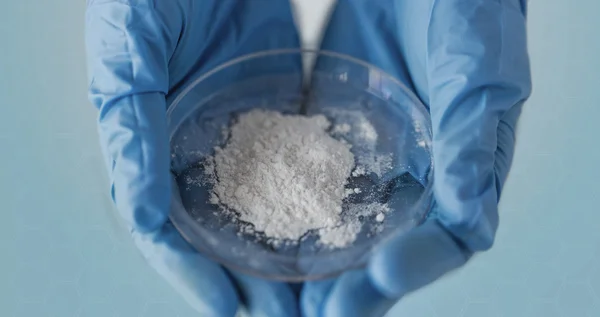
Description
🌡️ Ethephon (2-chloroethylphosphonic acid) — an ethylene-releasing compound; breaks down to release ethylene (C₂H₄) in plant tissue. Used for fruit ripening studies, dormancy breaking, and shoot differentiation in specific protocols.
| 🧪 CAS | 16672-87-0 | ⚖️ MW | 144.49 g/mol |
| 🔬 Grade | TC / Research | 🌡️ Storage | 4 °C, tightly sealed |
⚗️ How ethephon releases ethylene
Ethephon is stable in acidic solution (pH <4). At physiological pH (>4.0), it spontaneously hydrolyses to release ethylene, phosphate, and chloride. TC medium at pH 5.7 causes gradual release throughout culture. This simulates natural ethylene signalling — relevant for fruit physiology, dormancy, stress, and abscission research.
🌿 Working concentrations
| Use | Concentration | Notes |
|---|---|---|
| Fruit ripening simulation (explant) | 100–500 mg/L | In medium or as gas treatment |
| Dormancy breaking (some species) | 100–1000 mg/L | Seed pre-soak |
| Flower induction (bromeliad) | 100–500 mg/L | Acetylene is alternative |
| SE pathway manipulation | 50–200 mg/L | Species-dependent |
💡 For gaseous ethylene treatment, a sealed container with ethylene-releasing sachets is often more precise than ethephon in medium — ethylene release from ethephon at TC pH is variable.
Reviews
There are no reviews yet.