Description
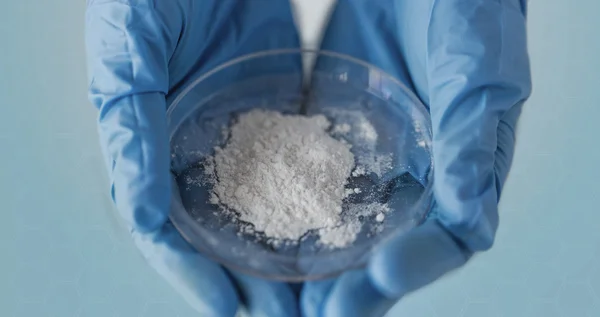
🧫 TC Grade Agarose — highly purified agarose (the gelling fraction of agar, sulphate-free); used when maximum purity and minimum inhibitor content are needed — protoplast culture, electrophoresis-grade media, and sensitive embryogenic systems.
| 🧪 CAS | 9012-36-6 | 🔬 Grade | TC / Molecular Biology |
| ⚗️ Gel strength | ≥1200 g/cm² @ 1.5% | 🌡️ Storage | RT, dry, sealed |
💡 Agarose vs agar — when to upgrade
Agarose is the purified, sulphate-free fraction of agar. The sulphated polysaccharides in regular agar inhibit protoplasts and sensitive embryogenic cultures. Use agarose when: protoplast viability is low on agar medium, embryogenesis frequency needs maximising, or your protocol is for conifer or woody plant SE where inhibitor sensitivity is high.
🔬 Working concentrations
| Use | Concentration | Notes |
|---|---|---|
| Protoplast culture | 0.6–0.8% agarose | Low-melting agarose preferred |
| Embryogenic culture (conifer) | 0.4–0.8% (Gelrite preferred) | Agarose if Gelrite not available |
| Single-cell culture (plating) | 0.8–1.2% | For colony formation |
| Standard shoot culture alternative | 0.8–1.2% | Higher cost than agar |
💡 Low-melting agarose (gelling point ~30°C) is preferred for protoplast culture — regular agarose requires >45°C to melt and can damage heat-sensitive cells on mixing.
Reviews
There are no reviews yet.