
Description
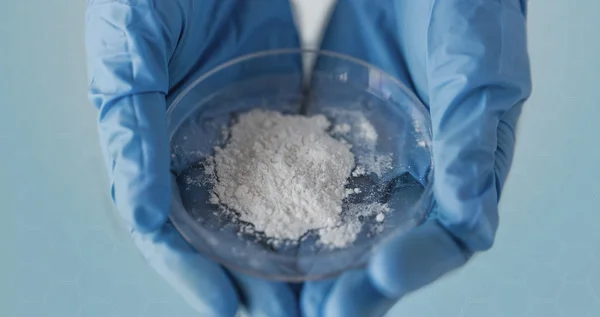
L-Glutamine — the most important organic nitrogen source in TC; a major amino acid nitrogen carrier and the primary substrate for nitrogen assimilation in plant cells.
| CAS | 56-85-9 | MW | 146.15 g/mol |
| Grade | TC / Biochemical | Storage | −20 °C; unstable at RT in solution |
Why glutamine over inorganic nitrogen only
L-Glutamine provides directly available reduced organic nitrogen for protein and nucleotide synthesis without the energy cost of NO₃⁻ reduction. It is the primary nitrogen assimilation product (glutamine synthetase generates glutamine from glutamate + NH₄⁺), and is particularly critical in: embryo development (major seed storage nitrogen form), pollen culture, and protoplast culture where high nitrogen demand exists.
Working concentrations
| Use | Concentration | Notes |
|---|---|---|
| Embryo rescue / embryo culture | 250–750 mg/L | Replace some NH₄NO₃ |
| Pollen / anther culture | 100–500 mg/L | N&N or B5 base |
| Protoplast culture | 100–500 mg/L | Especially in first 7 days |
| High-growth suspension culture | 100–500 mg/L | Supplement to inorganic N |
L-Glutamine decomposes at autoclave temperatures — always filter-sterilise (0.22 µm) and add to cooled autoclaved medium. Glutamine in solution is also unstable at RT — add fresh to medium and use within the same session.
Reviews
There are no reviews yet.