
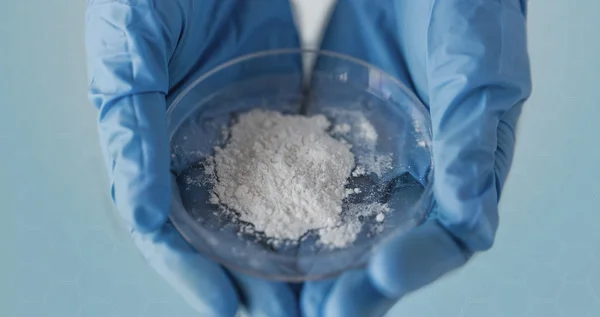
Description
Cefotaxime Sodium — a third-generation cephalosporin used to eliminate Agrobacterium after co-cultivation in plant transformation protocols. The antibiotic of choice because it has minimal phytotoxicity compared to carbenicillin.
| CAS | 64485-93-4 | MW | 477.44 g/mol |
| Grade | TC / Microbiological | Storage | −20 °C; use within 2 weeks once dissolved |
Why cefotaxime after Agrobacterium co-cultivation?
After co-cultivation, living Agrobacterium cells continue to infect plant tissue, causing bacterial overgrowth that kills the culture. Cefotaxime kills Agrobacterium by inhibiting cell wall synthesis (β-lactam mechanism) — importantly, it does NOT select for transformed plants (kanamycin does that) but eliminates the bacteria. Uniquely, cefotaxime has minimal phytotoxicity even at high concentrations and — unlike carbenicillin — does not promote adventitious shoot growth.
Working concentrations
| Use | Concentration | Notes |
|---|---|---|
| Standard Agrobacterium elimination | 100–250 mg/L cefotaxime | Add to selection medium for 2–4 weeks |
| Stringent elimination (recalcitrant spp) | 250–500 mg/L | For persistent Agrobacterium |
| Combined with kanamycin (selection) | 200 mg/L cef + 50 mg/L kan | Dual purpose |
| Tobacco transformation (classic) | 100–250 mg/L | Regeneration medium |
Stock prep
Dissolve in sterile distilled water. Prepare 200 mg/mL stock, filter-sterilise, aliquot (1 mL) and store at −20 °C. Thawed aliquots are stable at 4 °C for 2 weeks. Do not autoclave.
Never autoclave cefotaxime — heat degrades the β-lactam ring. Always add by filter-sterilised stock to cooled medium. Cefotaxime degrades at RT within 24–48 hours in solution — always use fresh stocks.
Reviews
There are no reviews yet.