
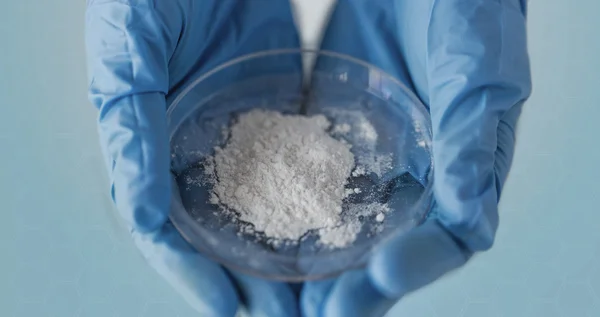
Murashige and Skoog medium — universally shortened to MS medium — is the most widely used basal medium in plant tissue culture. Published in 1962 by Toshio Murashige and Folke Skoog while working with tobacco callus, it has since become the foundation for thousands of TC protocols across nearly every plant family. Understanding its composition helps you troubleshoot protocols and adapt it intelligently to different species.
What MS Medium Contains
MS medium provides everything a plant cell or tissue needs to survive and proliferate in the absence of soil:
Macronutrients
Nitrogen (as both NH₄⁺ and NO₃⁻), phosphorus, potassium, calcium, magnesium, and sulphur — in concentrations significantly higher than earlier media like White’s or Heller’s. The high nitrogen content, particularly the dual nitrogen source, was the key insight in Murashige and Skoog’s original paper and explains why their medium outperformed predecessors for callus induction.
Micronutrients
Iron (chelated as FeSO₄·EDTA), manganese, zinc, boron, copper, molybdenum, cobalt, and iodine. The chelated iron formulation is important — it remains available at the pH range used in TC work (5.7–5.8) unlike earlier unchelated formulations that precipitated out of solution.
Vitamins
Thiamine (B1), pyridoxine (B6), nicotinic acid, and glycine. Thiamine is the most critical — it is essential for most plant tissues grown in vitro. Many protocols use only thiamine when simplifying the vitamin mix.
Carbon Source
Sucrose at 30 g/L (3%) in standard formulation. Plant cells in sterile culture cannot photosynthesise at meaningful rates, so sucrose provides the carbon skeleton and energy for growth. Some protocols substitute glucose or other sugars for specific purposes.
Gelling Agent
Agar at 7–8 g/L for solid medium. Agar is inert, transparent, and melts above 90°C while remaining solid at culture temperatures (25–28°C). Phytagel (gellan gum) is an alternative that produces clearer medium and is preferred for some microscopy applications.
pH and Autoclaving
Adjust to pH 5.7–5.8 before autoclaving using KOH or NaOH. This is critical — pH affects nutrient availability, agar gel strength, and plant uptake. Autoclave at 121°C, 15 psi for 15–20 minutes. pH typically drops slightly after autoclaving — account for this if precision is needed.
Half-Strength MS (½ MS)
Many rooting protocols and seedling germination media use ½ MS — all components at half concentration, with sucrose sometimes further reduced. Roots are sensitive to high salt concentrations; the gentler environment of ½ MS promotes root initiation and elongation. Arabidopsis seed germination, orchid protocorm development, and most conifer rooting protocols use ½ MS as the base.
Growth Regulators — What MS Doesn’t Include
Standard MS medium contains no plant growth regulators (PGRs). Cytokinins (BAP, kinetin) and auxins (NAA, IBA, 2,4-D) are added separately depending on the goal: callus induction, shoot multiplication, or rooting. This is intentional — a single base medium can serve all stages of TC when PGRs are varied appropriately.
Practical Notes for Indian Labs
Pre-mixed MS powder is available in standard (Sigma, HiMedia, our own formulation) and ½ strength formulations. For most work, pre-mixed powder is more consistent and faster than weighing individual salts. Store powder in airtight containers away from moisture and light. Prepared medium has a shelf life of 3–4 weeks refrigerated before use.